

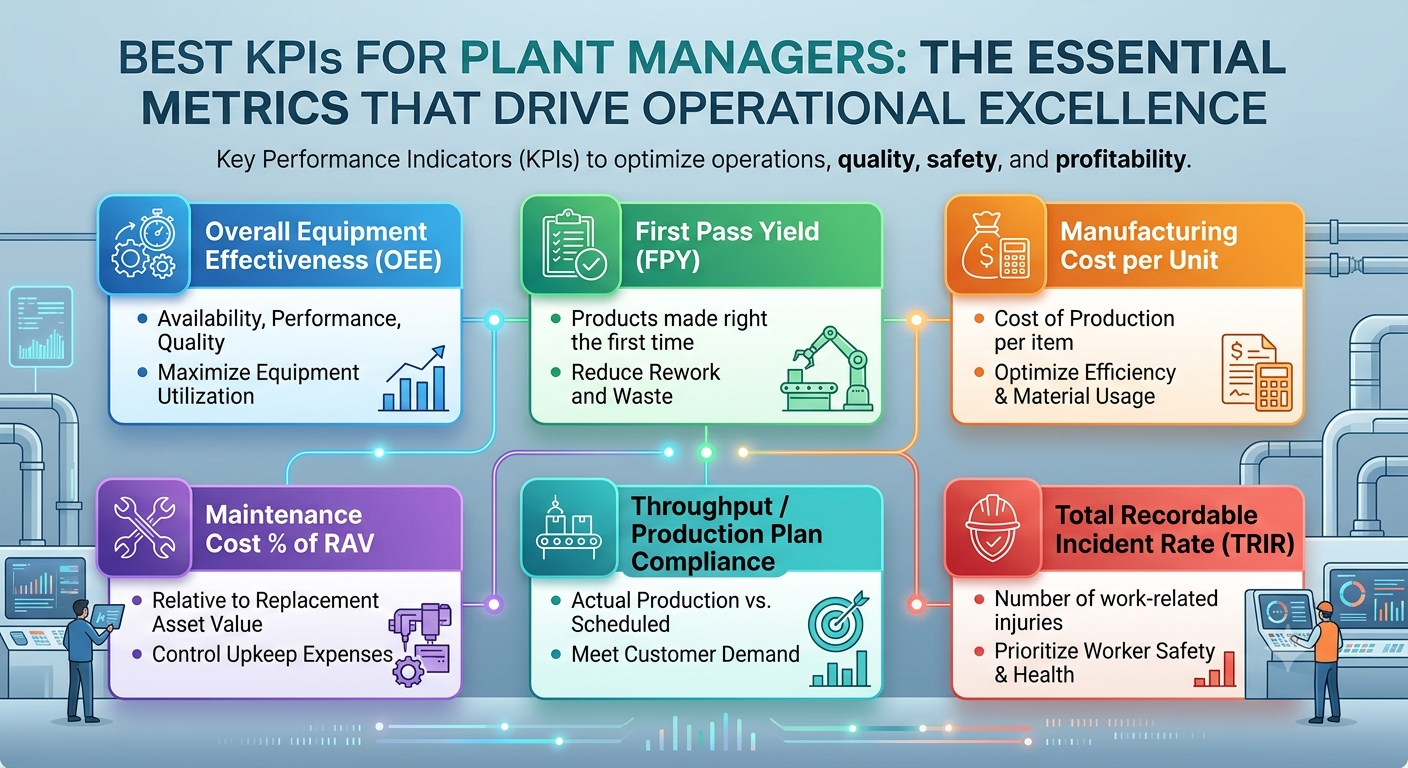
In today’s highly competitive manufacturing landscape, a Plant Manager’s responsibilities extend far beyond meeting daily production targets. Modern plants—particularly in the chemical, fertilizer, pharmaceutical, petrochemical, and process industries—must balance productivity with safety, quality, sustainability, cost control, and workforce development. To achieve these objectives consistently, organizations rely on Key Performance Indicators (KPIs) that provide measurable insights into plant performance.
KPIs help transform raw operational data into actionable intelligence. They enable Plant Managers to identify performance gaps, monitor progress, optimize resources, and make informed decisions that improve profitability and reliability. Without well-defined KPIs, it becomes difficult to determine whether a plant is improving, maintaining standards, or falling behind.
This article explores the most important KPIs every Plant Manager should monitor and explains how these metrics contribute to operational excellence.
Why KPIs Matter for Plant Managers
A manufacturing plant consists of interconnected systems involving people, equipment, raw materials, utilities, and processes. A minor issue in one area can affect the entire production chain. KPIs serve as an early warning system by highlighting trends before they develop into costly problems.
An effective KPI framework helps Plant Managers:
- Improve operational efficiency
- Enhance workplace safety
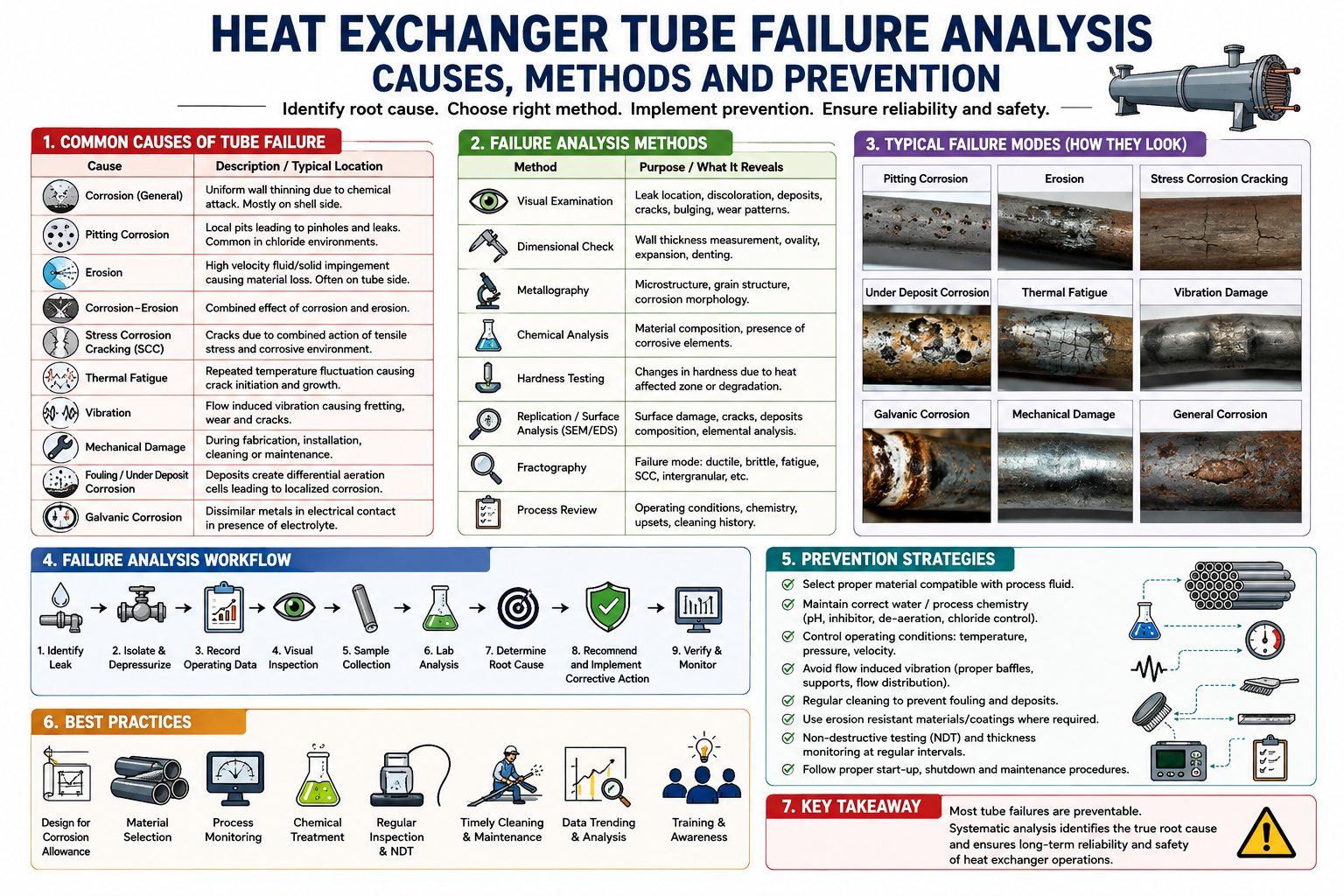
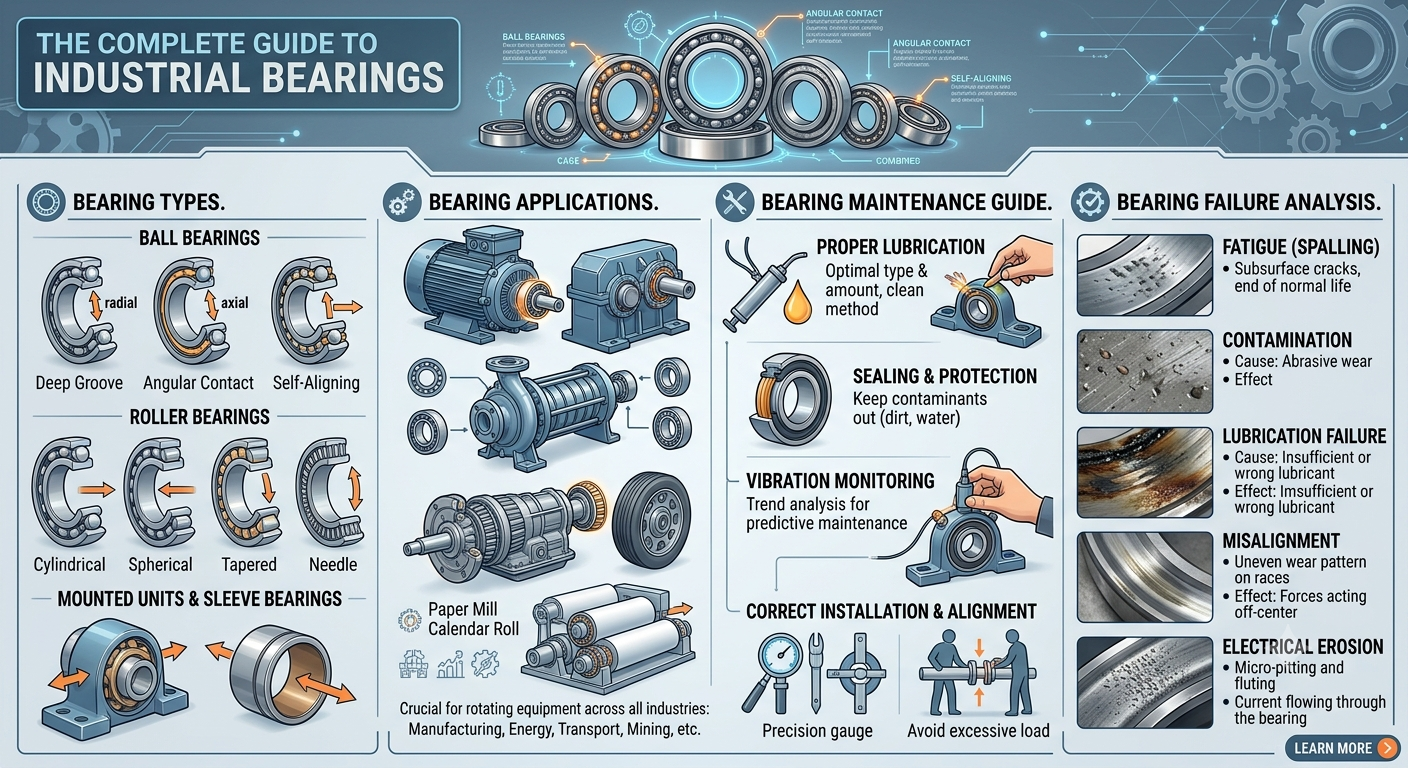
- Increase equipment reliability
- Reduce production costs
- Maintain consistent product quality
- Ensure environmental compliance
- Support data-driven decision-making
- Promote continuous improvement initiatives
Rather than focusing solely on production volume, modern KPI systems evaluate overall plant health through a balanced approach.
1. Safety KPIs: Building a Zero-Incident Culture
Safety is the highest priority in every manufacturing facility, especially in chemical processing plants where hazardous materials and high-energy equipment are involved.
One of the most widely used metrics is the Lost Time Injury Frequency Rate (LTIFR), which measures injuries resulting in lost workdays per million hours worked. A lower LTIFR reflects a safer workplace and stronger safety management practices.
Another important indicator is the Total Recordable Incident Rate (TRIR), which tracks all OSHA-recordable workplace incidents. World-class organizations strive to keep this value below industry averages through proactive safety programs.
Near Miss Reporting is equally valuable. Encouraging employees to report unsafe conditions before accidents occur strengthens the plant’s safety culture and reduces future risks.
Plant Managers should also monitor:
- Safety observation closure rate
- Permit-to-work compliance
- Safety audit completion
- Emergency drill performance
- Personal Protective Equipment (PPE) compliance
An organization that consistently invests in safety typically experiences fewer disruptions, higher employee morale, and lower operational costs.
2. Production KPIs: Measuring Manufacturing Performance
Production KPIs evaluate how effectively a plant converts available resources into finished products.
Capacity Utilization measures the percentage of installed production capacity actually being used. Plants operating between 85% and 95% utilization generally achieve an optimal balance between productivity and operational flexibility.
Production Achievement compares actual output with planned production schedules. Consistently achieving more than 98% of planned production demonstrates strong operational discipline.
One of the most comprehensive production metrics is Overall Equipment Effectiveness (OEE), which combines:
- Equipment Availability
- Performance Efficiency
- Product Quality
An OEE above 85% is often considered world-class in many industries.
Additional production KPIs include:
- Production per shift
- Production loss due to downtime
- Batch cycle time
- Schedule adherence
- Changeover efficiency
Monitoring these indicators enables Plant Managers to identify bottlenecks and maximize throughput.
3. Quality KPIs: Delivering Consistent Products
Quality directly influences customer satisfaction, regulatory compliance, and brand reputation.
The First Pass Yield (FPY) measures the percentage of products manufactured correctly without requiring rework. Higher FPY values indicate stable processes and efficient operations.
Off-Spec Production measures the quantity of material falling outside product specifications. Reducing off-spec production minimizes waste and improves profitability.
Customer complaints remain one of the most valuable external quality indicators. Every complaint should be investigated to identify root causes and prevent recurrence.
Other important quality KPIs include:
- Product rejection rate
- Laboratory turnaround time
- Process capability (Cp and Cpk)
- Rework percentage
- Batch approval time
A strong quality management system reduces costs while increasing customer confidence.
4. Maintenance KPIs: Ensuring Equipment Reliability
Equipment reliability is critical to uninterrupted production. Even a single equipment failure can result in significant financial losses.
Equipment Availability measures the percentage of scheduled operating time during which equipment is ready for production.
Mean Time Between Failures (MTBF) indicates equipment reliability. Increasing MTBF suggests effective preventive maintenance and improved equipment health.
Mean Time To Repair (MTTR) measures how quickly maintenance teams restore equipment after failures. Lower MTTR values reduce downtime and production losses.
Preventive Maintenance Compliance tracks completion of scheduled maintenance activities. Plants with compliance above 95% generally experience fewer unexpected breakdowns.
Additional maintenance KPIs include:
- Breakdown frequency
- Maintenance cost per ton
- Spare parts availability
- Predictive maintenance effectiveness
- Lubrication compliance
A proactive maintenance strategy improves both reliability and operational efficiency.
5. Cost KPIs: Driving Profitability
Every improvement in efficiency ultimately contributes to cost reduction.
Manufacturing Cost per Ton remains one of the most important financial indicators for Plant Managers. It includes raw materials, utilities, labor, maintenance, and overhead expenses.
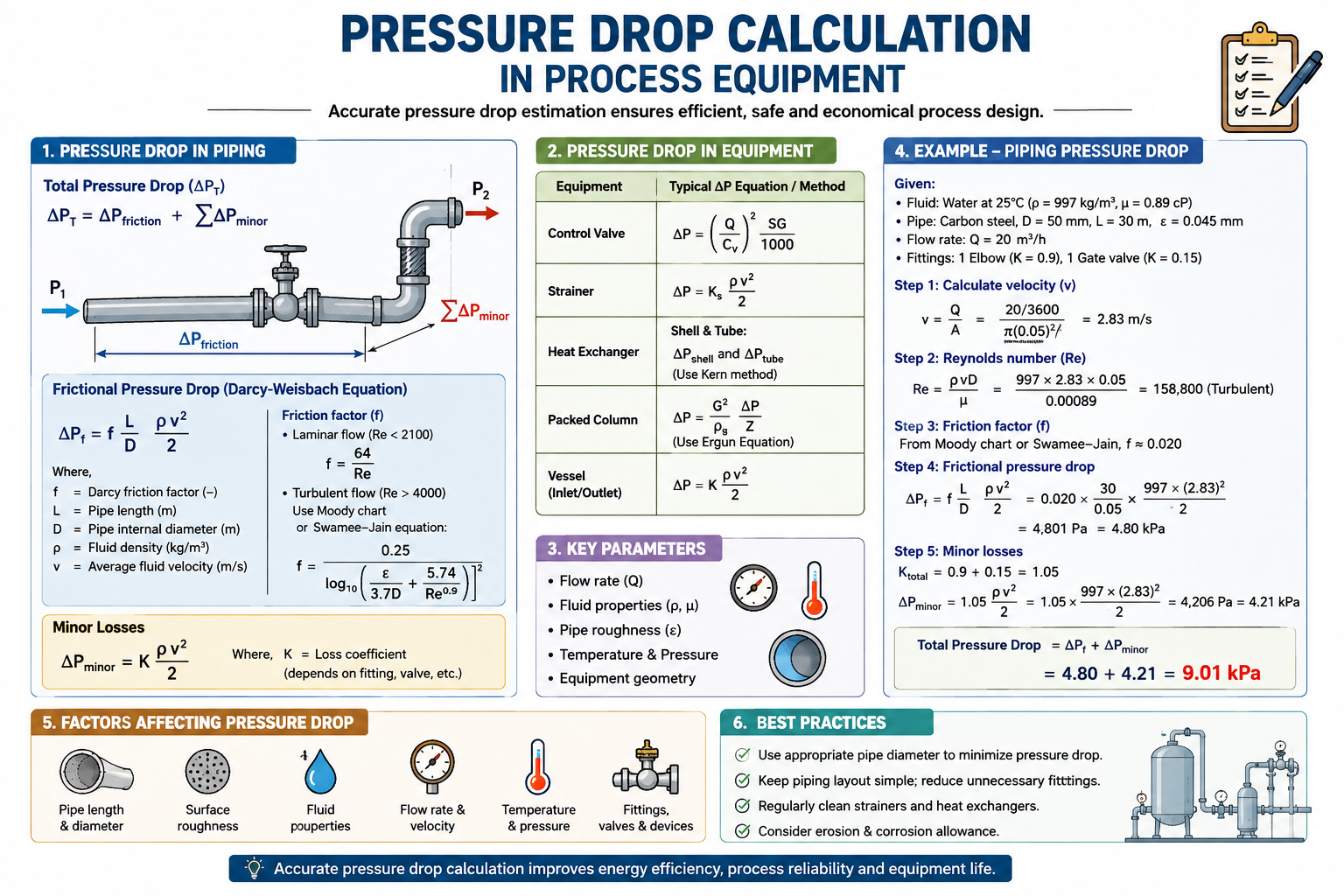
Energy Consumption is another critical KPI because electricity, steam, compressed air, and cooling water often represent a significant portion of manufacturing costs.
Water Consumption and Chemical Consumption should also be monitored to identify opportunities for resource conservation.
Additional cost-related KPIs include:
- Utility cost per unit of production
- Waste disposal cost
- Inventory carrying cost
- Maintenance expenditure
- Cost savings from improvement projects
Effective cost management strengthens competitiveness without compromising quality or safety.
6. Environmental KPIs: Supporting Sustainable Manufacturing
Environmental compliance has become a strategic business objective rather than merely a regulatory requirement.
Plant Managers should continuously monitor:
- Air emission compliance
- Effluent discharge quality
- Waste generation
- Hazardous waste disposal
- Carbon emissions
- Water recycling rate
- Resource efficiency
Reducing environmental impact not only protects natural resources but also enhances corporate reputation and supports long-term sustainability goals.
7. Human Resource KPIs: Developing High-Performing Teams
People remain the foundation of every successful manufacturing operation.
Employee Training Hours ensure workers remain competent in safety procedures, equipment operation, and process improvements.
Employee Turnover Rate reflects workforce stability. Lower turnover generally leads to higher productivity and stronger organizational knowledge.
Suggestion Implementation Rate measures employee engagement in continuous improvement initiatives.
Other workforce KPIs include:
- Attendance rate
- Skill certification completion
- Employee productivity
- Cross-training coverage
- Performance appraisal completion
A motivated and skilled workforce significantly improves overall plant performance.
8. Continuous Improvement KPIs
World-class manufacturing organizations continuously seek opportunities for improvement.
Continuous improvement KPIs measure progress in operational excellence programs such as Lean Manufacturing, Six Sigma, Kaizen, and Total Productive Maintenance (TPM).
Common improvement indicators include:
- Number of Kaizen projects completed
- Six Sigma project success rate
- Annual cost savings
- Process optimization initiatives
- Waste reduction percentage
- Energy-saving projects
- Automation improvements
Tracking these metrics demonstrates an organization’s commitment to innovation and operational excellence.
Special KPIs for Chemical and Phosphoric Acid Plants
Chemical manufacturing requires additional process-specific performance indicators.
For phosphoric acid plants, important KPIs include:
- P₂O₅ recovery efficiency
- Gypsum P₂O₅ losses
- Water-soluble P₂O₅ losses
- Sulfuric acid consumption
- Phosphate rock consumption
- Steam consumption per ton of acid
- Electrical energy consumption
- Filter availability
- Reactor availability
- Vacuum system stability
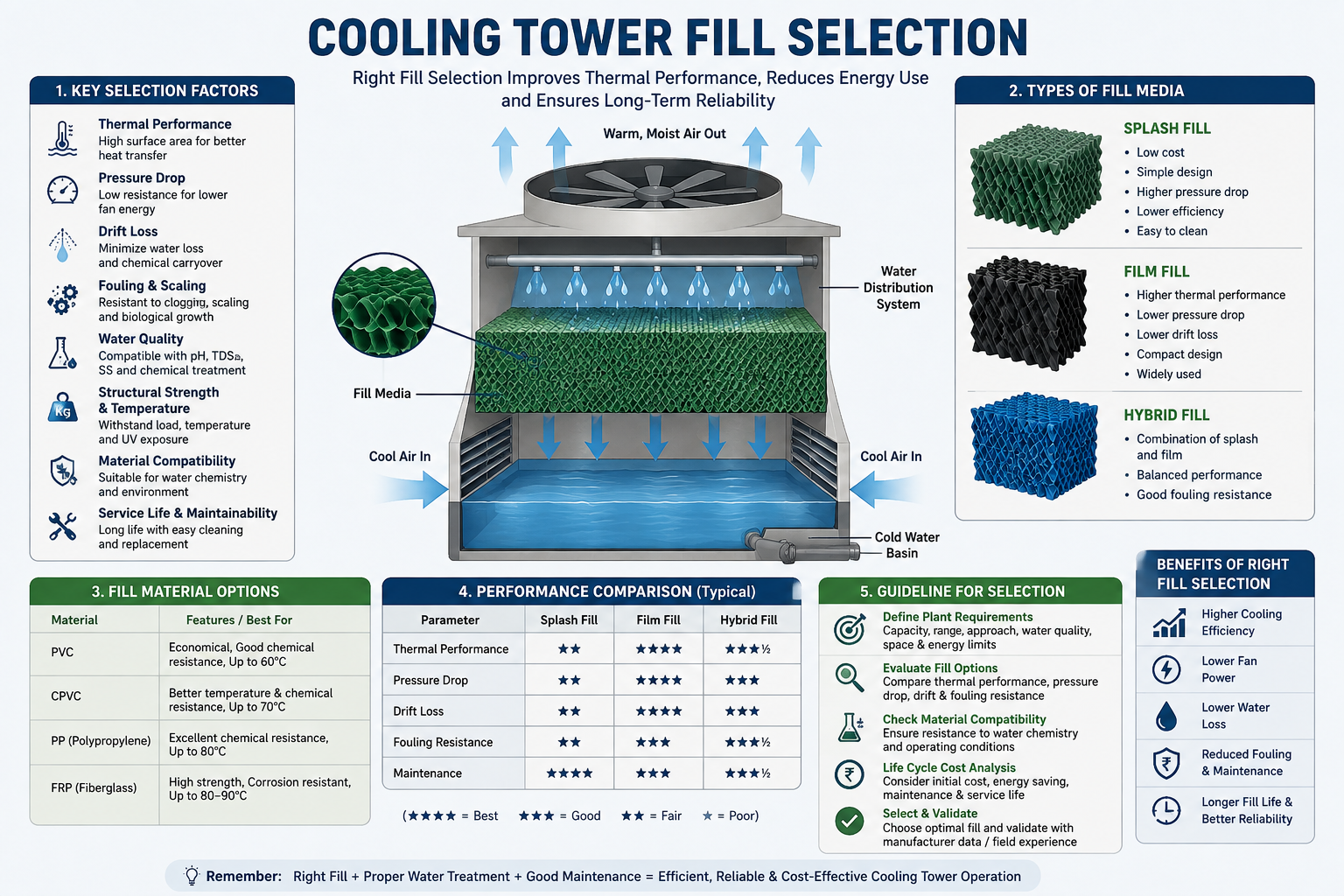
- Cooling tower efficiency
- Gypsum moisture content
- Acid concentration consistency
- Scaling frequency
- Process water recycling
Monitoring these KPIs helps maximize recovery, reduce operating costs, and improve plant profitability.
Creating a Balanced KPI Dashboard
Successful Plant Managers avoid relying on a single metric. Instead, they create a balanced dashboard covering multiple operational areas.
A typical dashboard may allocate performance weights as follows:
- Safety – 25%
- Production – 20%
- Quality – 15%
- Cost – 15%
- Maintenance – 10%
- Environment – 5%
- Inventory – 5%
- Continuous Improvement – 5%
Regular review meetings allow managers to evaluate performance trends, assign corrective actions, and ensure accountability across departments.
Digital dashboards integrated with Manufacturing Execution Systems (MES), Enterprise Resource Planning (ERP), Industrial Internet of Things (IIoT), and SCADA platforms provide real-time visibility into these KPIs, enabling faster and more informed decision-making.
Conclusion
Plant Managers today are expected to deliver far more than production targets. They must lead safe operations, maintain high product quality, optimize costs, improve equipment reliability, protect the environment, and inspire continuous improvement across the organization.
The most successful plants use a balanced KPI framework that aligns operational goals with business objectives. By consistently tracking safety, production, quality, maintenance, cost, environmental, workforce, and process-specific metrics, Plant Managers gain the insights needed to identify opportunities, reduce risks, and sustain long-term operational excellence.
In an increasingly digital and competitive industrial environment, KPIs are no longer just reporting tools—they are strategic instruments that guide decision-making, improve performance, and create lasting value. Organizations that establish meaningful KPIs, review them regularly, and act on the insights they provide will be better positioned to achieve higher productivity, greater profitability, and sustainable growth in the years ahead.