




Introduction
Corrosive chemicals are indispensable in modern industries, playing a vital role in manufacturing fertilizers, pharmaceuticals, petrochemicals, pulp and paper, water treatment chemicals, metals, and countless other products. Despite their importance, these substances pose significant risks to personnel, equipment, and the environment if they are not managed correctly. Acids such as sulfuric acid, hydrochloric acid, nitric acid, phosphoric acid, and hydrofluoric acid, along with alkaline chemicals like sodium hydroxide and potassium hydroxide, can rapidly attack metals, plastics, concrete, rubber, and human tissue. Even a minor leak or improper handling procedure can result in costly equipment damage, production losses, regulatory penalties, and severe injuries.
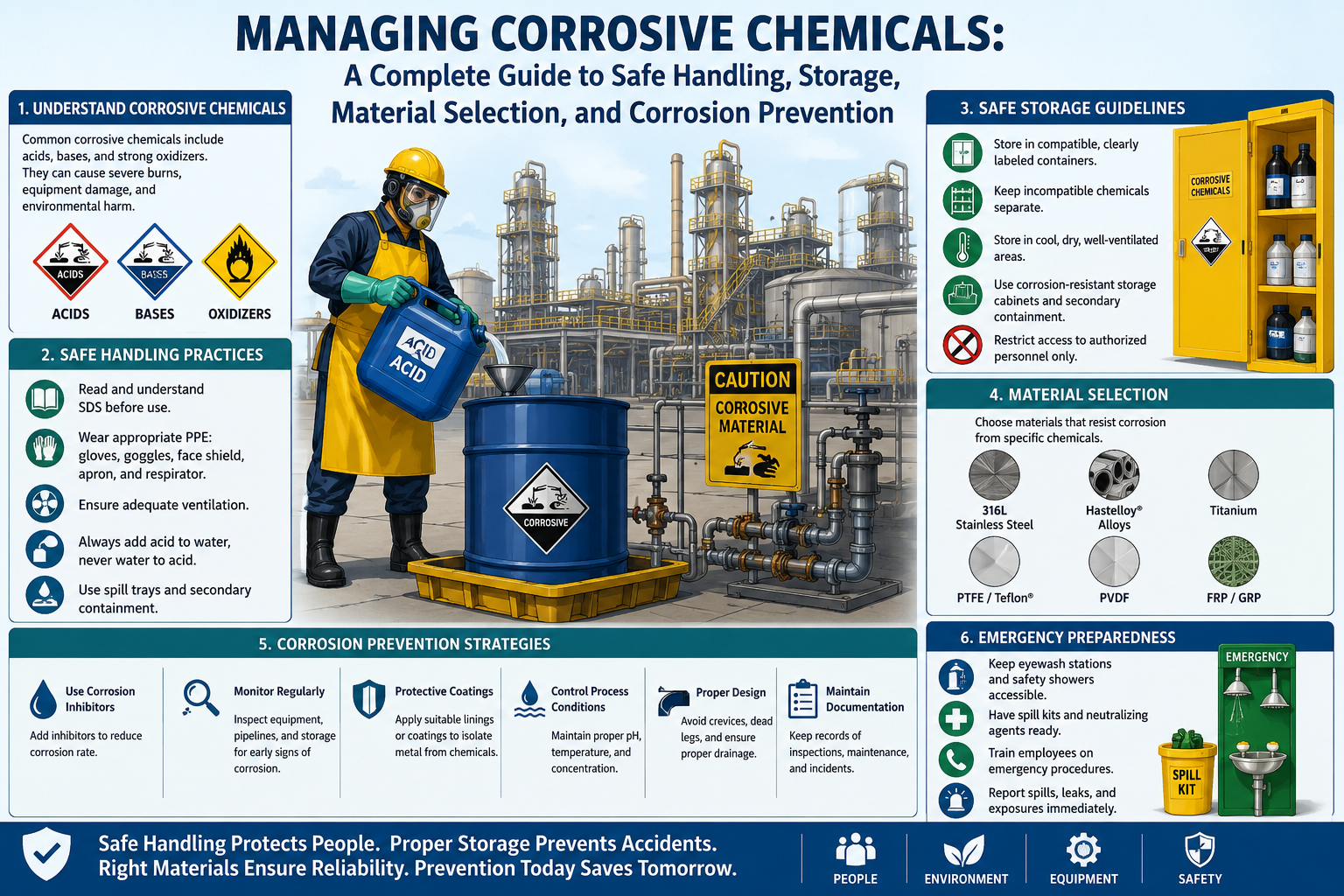
Managing corrosive chemicals is therefore much more than simply wearing personal protective equipment (PPE). It involves a comprehensive approach that integrates engineering design, proper material selection, safe operating procedures, corrosion monitoring, preventive maintenance, emergency preparedness, and continuous employee training. An effective corrosive chemical management program protects workers, extends equipment life, improves operational reliability, and minimizes environmental impacts.
This article explores the essential principles, best practices, and engineering considerations required for safely managing corrosive chemicals in industrial process plants.
Understanding Corrosive Chemicals
Corrosive chemicals are substances capable of destroying or irreversibly damaging materials through chemical reactions. They may corrode metals, degrade polymers, weaken concrete structures, and cause severe burns to skin and eyes. Corrosion often occurs gradually, making regular inspection and monitoring essential to prevent unexpected failures.
Common corrosive chemicals used in industry include:
- Sulfuric Acid (H₂SO₄)
- Hydrochloric Acid (HCl)
- Nitric Acid (HNO₃)
- Phosphoric Acid (H₃PO₄)
- Hydrofluoric Acid (HF)
- Sodium Hydroxide (NaOH)
- Potassium Hydroxide (KOH)
- Ammonia Solution
- Fluorosilicic Acid (H₂SiF₆)
Each chemical has unique corrosion characteristics and requires specific handling, storage, and material compatibility considerations.
Importance of Managing Corrosive Chemicals
Poor management of corrosive chemicals can lead to equipment failure, production downtime, environmental contamination, and serious accidents. Corrosion-related failures are among the leading causes of maintenance costs in process industries worldwide.
A well-designed management system helps organizations:
- Protect employees from chemical exposure.
- Prevent leaks and spills.
- Extend equipment service life.
- Improve plant reliability.
- Reduce maintenance expenses.
- Ensure regulatory compliance.
- Protect the surrounding environment.
- Improve overall operational efficiency.
For chemical manufacturing facilities operating continuously, preventing one major corrosion failure can save millions in repair costs and lost production.
Proper Chemical Identification
Effective management begins with accurate identification of every chemical handled within the facility. Every storage tank, pipeline, container, and transfer system should be clearly labeled according to recognized standards.
Safety Data Sheets (SDS) should be readily accessible and include information on:
- Chemical composition
- Physical and chemical properties
- Health hazards
- Reactivity hazards
- Storage requirements
- Spill response procedures
- Fire-fighting measures
- First-aid instructions
- Disposal recommendations
Employees should receive periodic training to understand the hazards associated with each chemical they handle.
Safe Storage Practices
Storage conditions play a critical role in preventing corrosion-related incidents. Corrosive chemicals should be stored in dedicated areas designed specifically for their chemical compatibility.
Important storage considerations include:
- Corrosion-resistant storage tanks
- Secondary containment systems
- Proper ventilation
- Temperature control where necessary
- Leak detection systems
- Level monitoring instruments
- Clearly marked emergency exits
- Restricted access to authorized personnel
Incompatible chemicals must always be stored separately. For example, acids should never be stored alongside caustic alkalis or oxidizing chemicals, as accidental mixing may generate heat, toxic gases, or violent reactions.
Routine inspections should be performed to identify corrosion, cracks, leaks, or damage before failures occur.
Selecting the Right Construction Materials
Material selection is one of the most important engineering decisions when handling corrosive chemicals. Selecting an unsuitable material may lead to rapid corrosion, unexpected equipment failure, and significant financial losses.
Common corrosion-resistant materials include:
- Fiber Reinforced Plastic (FRP)
- Rubber-lined steel
- Polypropylene (PP)
- Polyvinyl Chloride (PVC)
- CPVC
- HDPE
- PTFE-lined equipment
- Stainless Steel 316L
- Stainless Steel 904L
- Duplex Stainless Steel
- Hastelloy
- Titanium
The selection depends on several factors, including chemical concentration, operating temperature, pressure, fluid velocity, presence of impurities, and expected service life.
In phosphoric acid plants, rubber-lined reactors, FRP ducts, alloy heat exchangers, and PTFE-lined pipelines are commonly used to provide long-term resistance against acidic environments.
Safe Handling Procedures
Handling corrosive chemicals safely requires well-established operating procedures and trained personnel. Workers should never rely solely on experience; every transfer, sampling, maintenance activity, and chemical addition should follow documented Standard Operating Procedures (SOPs).
Essential handling practices include:
- Wearing appropriate PPE
- Using corrosion-resistant transfer pumps
- Avoiding manual lifting where possible
- Inspecting hoses before use
- Maintaining proper grounding for transfer systems
- Preventing overfilling of storage tanks
- Monitoring transfer pressures and flow rates
- Following lockout-tagout procedures during maintenance
Automated transfer systems significantly reduce operator exposure while improving process reliability.
Personal Protective Equipment (PPE)
Personal protective equipment provides the final layer of defense when engineering controls cannot completely eliminate exposure.
Typical PPE for corrosive chemical handling includes:
- Chemical-resistant gloves
- Acid-resistant suits
- Face shields
- Safety goggles
- Rubber boots
- Respirators where required
- Chemical-resistant aprons
- Helmets
The PPE selected should always match the chemical hazard. For instance, hydrofluoric acid requires specialized gloves and emergency calcium gluconate treatment availability due to its unique toxicity.
Regular inspection and replacement of damaged PPE are essential to maintain protection.
Corrosion Monitoring and Preventive Maintenance
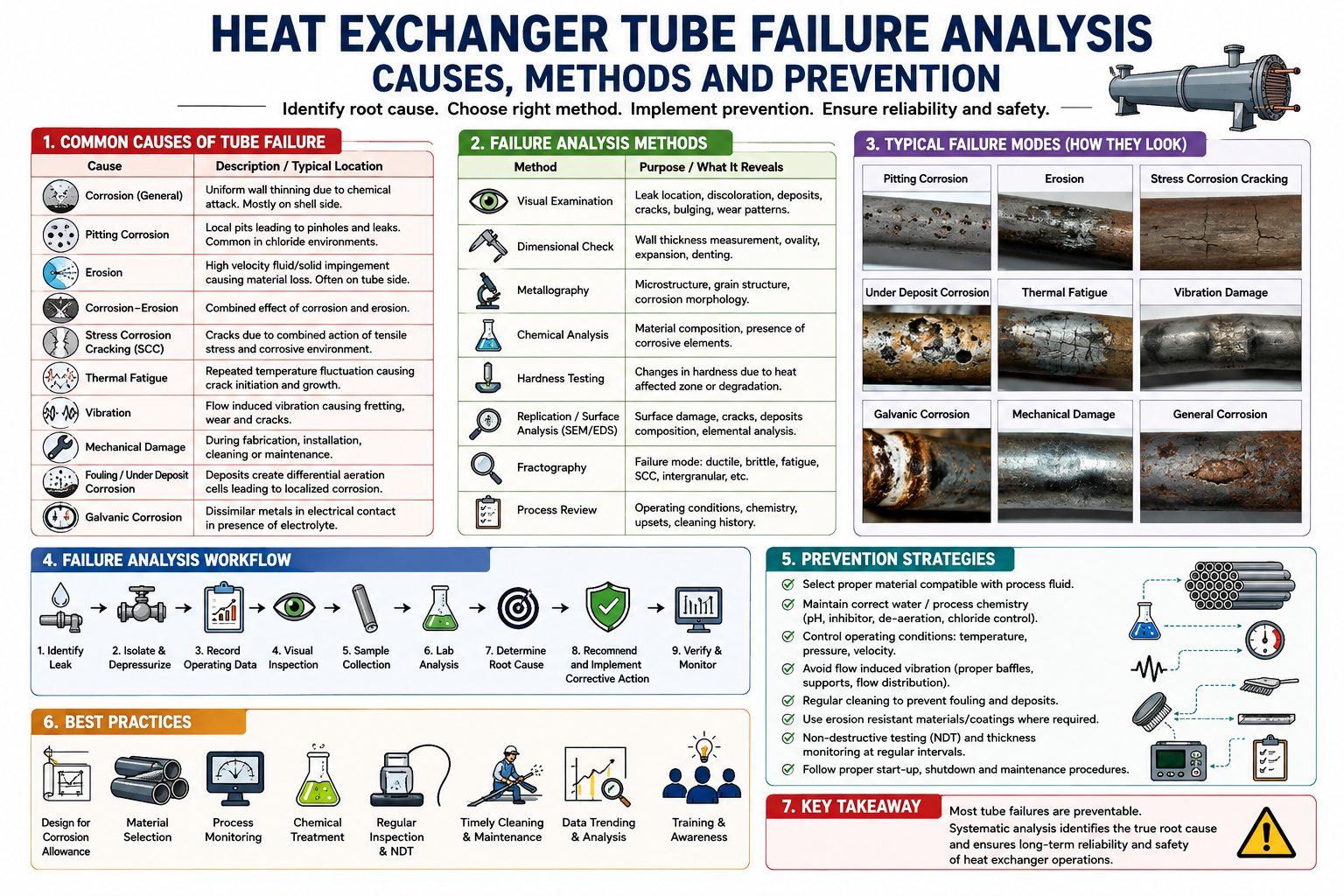
Corrosion cannot be entirely eliminated, but it can be monitored and controlled. A proactive maintenance program helps identify early signs of deterioration before equipment failure occurs.
Common monitoring techniques include:
- Ultrasonic thickness measurement
- Corrosion coupons
- Online corrosion probes
- Infrared thermography
- Visual inspection
- Pressure testing
- Leak detection sensors
- Predictive maintenance software
Inspection intervals should be based on corrosion rates, operating conditions, and equipment criticality.
Digital technologies now enable continuous corrosion monitoring, allowing maintenance teams to predict failures before they occur.
Spill Prevention and Emergency Response
Even with robust preventive measures, accidental leaks or spills may still occur. Every facility handling corrosive chemicals should maintain a comprehensive emergency response plan.
Key emergency preparedness measures include:
- Emergency showers and eyewash stations
- Spill containment kits
- Neutralizing chemicals
- Clearly marked evacuation routes
- Emergency communication systems
- Fire-resistant drainage systems
- Incident reporting procedures
- Regular emergency drills
Employees should know how to isolate leaking equipment, notify emergency personnel, and safely evacuate affected areas.
A rapid and organized response minimizes injuries and environmental damage.
Employee Training and Safety Culture
Technology alone cannot guarantee safety. A strong safety culture supported by continuous employee training is equally important.
Training programs should include:
- Chemical hazard awareness
- PPE usage
- Safe handling procedures
- Spill response
- Emergency evacuation
- First aid
- Lockout-tagout procedures
- Permit-to-work systems
Refresher training should be conducted periodically, particularly when introducing new chemicals or equipment.
Organizations that encourage hazard reporting and proactive safety participation typically experience fewer incidents and higher operational reliability.
Applications in Chemical Industries
Corrosive chemical management is essential across numerous industries, including:
- Fertilizer manufacturing
- Phosphoric acid production
- Sulfuric acid plants
- Chlor-alkali industries
- Petrochemical complexes
- Pharmaceutical manufacturing
- Water treatment facilities
- Mining and metallurgy
- Pulp and paper industries
- Food processing plants
Each industry faces unique corrosion challenges requiring specialized materials, inspection methods, and operating procedures.
Case Example: Phosphoric Acid Manufacturing
Wet-process phosphoric acid plants provide an excellent example of corrosive chemical management in practice. These facilities continuously handle sulfuric acid, phosphoric acid, hydrofluoric acid, and fluorosilicic acid under elevated temperatures and abrasive conditions.
Effective corrosion management in these plants includes:
- Rubber-lined reactors and tanks
- FRP gas ducts and scrubbers
- High-alloy or graphite heat exchangers
- PTFE-lined piping in critical services
- Corrosion-resistant pumps and valves
- Online thickness monitoring
- Scheduled preventive maintenance
- Strict PPE requirements for operators
- Continuous monitoring of process parameters
These measures significantly reduce equipment failures while improving plant availability and safety.
Future Trends in Corrosive Chemical Management
Industry 4.0 technologies are transforming how corrosive chemicals are managed. Modern plants increasingly use:
- AI-based corrosion prediction
- IoT-enabled corrosion sensors
- Digital twins for asset monitoring
- Predictive maintenance platforms
- Smart inspection drones
- Automated chemical dosing systems
- Cloud-based maintenance management systems
These innovations improve decision-making, reduce downtime, and optimize maintenance costs by identifying problems before failures occur.
Conclusion
Managing corrosive chemicals is a multidisciplinary responsibility that combines engineering, operations, maintenance, and safety management. It involves selecting suitable materials, implementing proper storage systems, developing safe operating procedures, monitoring corrosion continuously, maintaining emergency preparedness, and fostering a strong safety culture throughout the organization.
Industries that invest in effective corrosive chemical management benefit from improved worker safety, reduced maintenance costs, longer equipment life, enhanced environmental protection, and higher production reliability. As chemical manufacturing continues to adopt digital technologies and predictive maintenance strategies, organizations will be better equipped to control corrosion risks while maximizing operational performance.
Ultimately, successful corrosive chemical management is not merely about preventing equipment damage—it is about protecting people, preserving valuable assets, ensuring regulatory compliance, and achieving sustainable, efficient industrial operations.