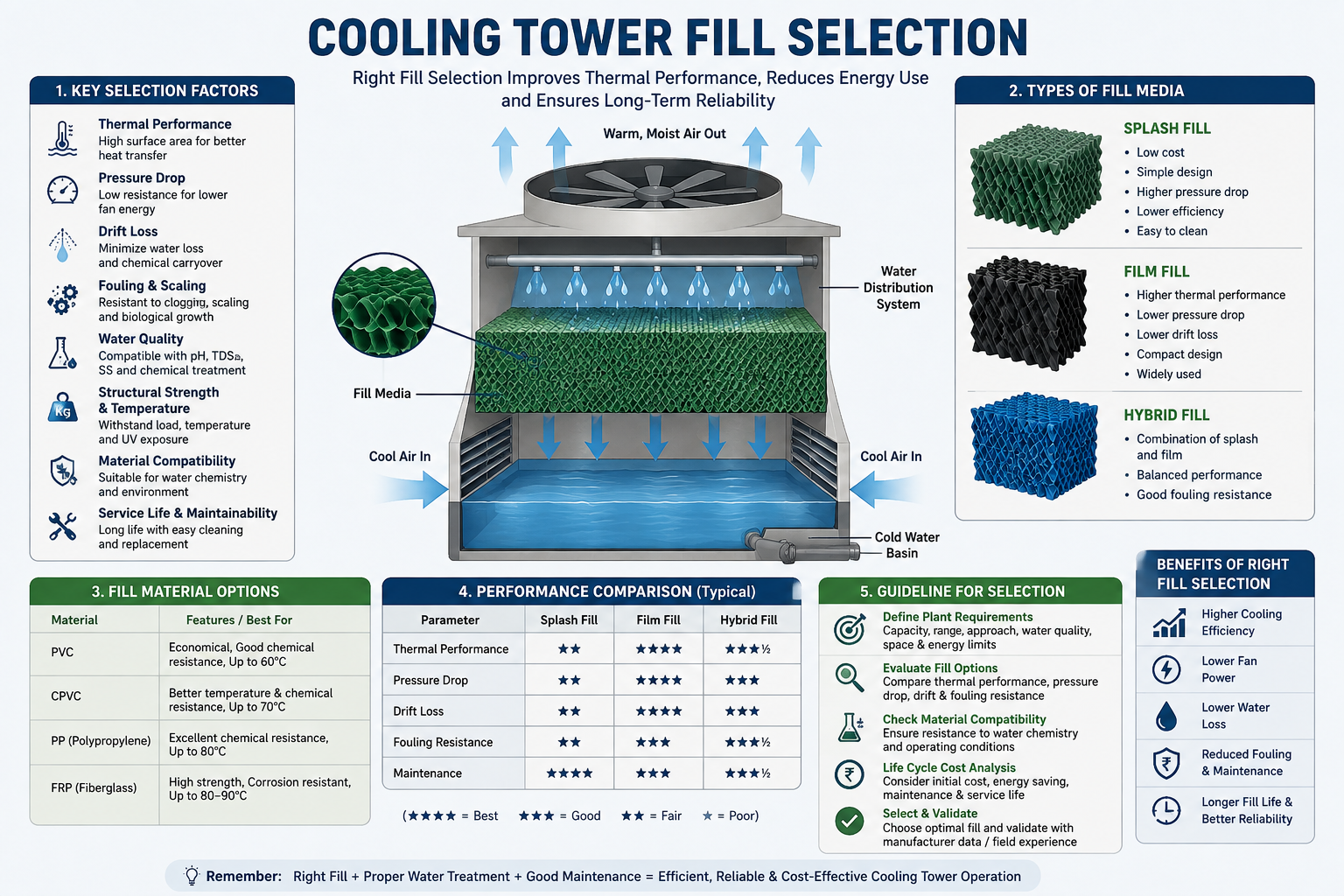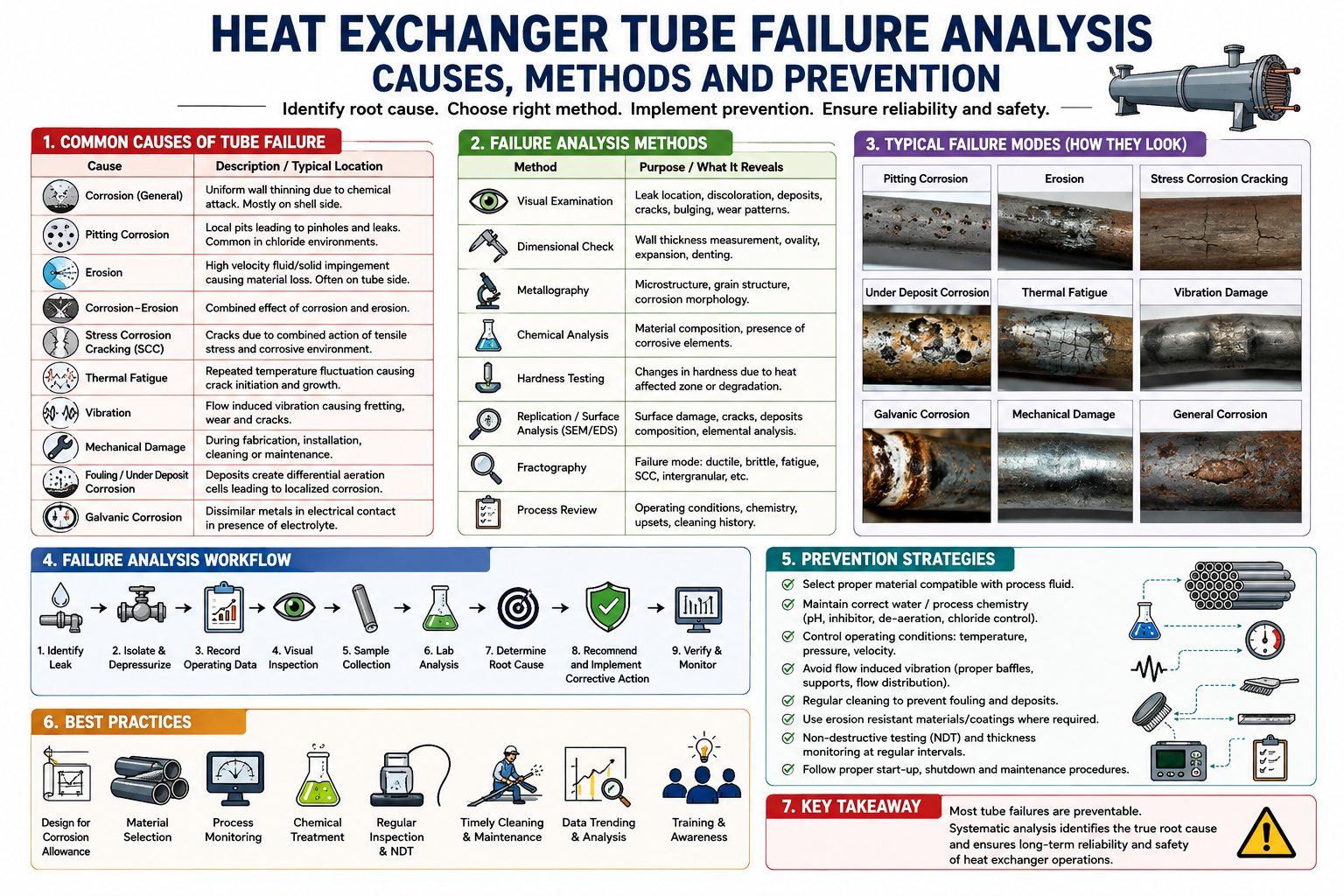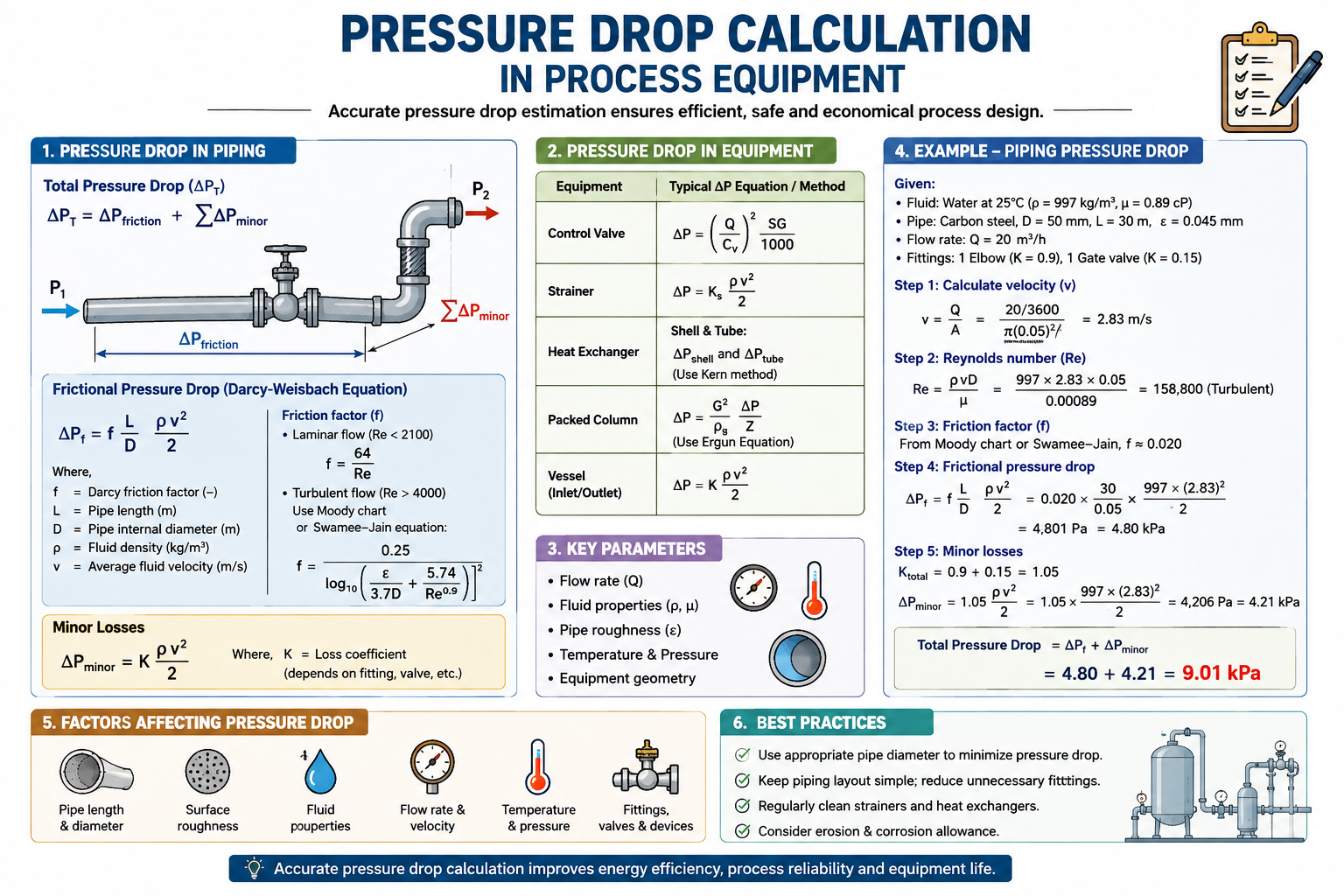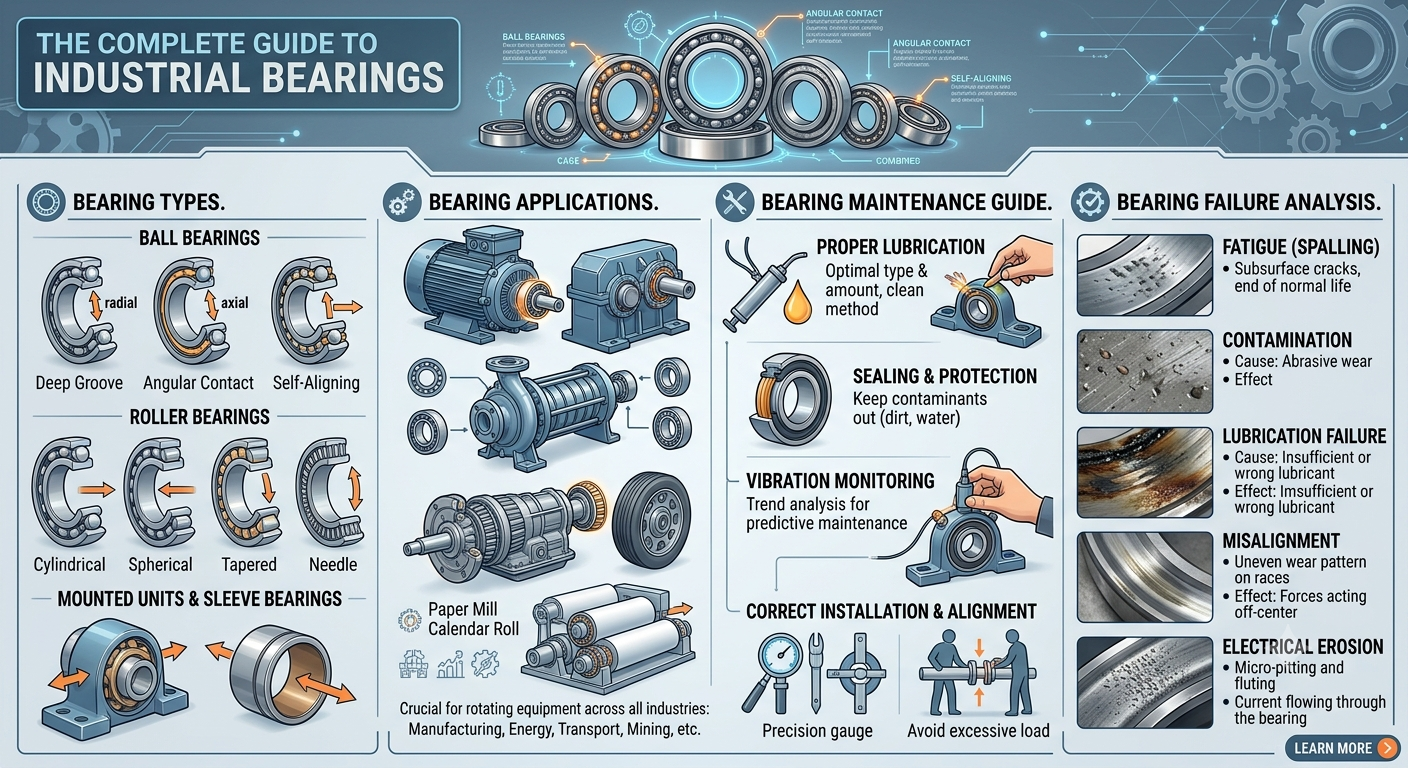






The Graduate Aptitude Test in Engineering (GATE) is one of the most prestigious and competitive examinations for engineering students in India. It is not only a gateway to postgraduate studies, such as M.Tech and Ph.D., but also opens doors to recruitment in public sector units (PSUs) and research organizations. For chemical engineering aspirants, GATE provides a platform to demonstrate conceptual understanding, problem-solving abilities, and technical expertise. Achieving a high score in GATE Chemical Engineering (ChE) requires a well-structured preparation strategy, disciplined study habits, and access to the right resources. This article provides a comprehensive guide to help chemical engineering students prepare effectively for GATE, covering strategy, resources, and practical tips.
Understanding the GATE Chemical Engineering Syllabus
A crucial first step in GATE preparation is to understand the syllabus thoroughly. The GATE ChE syllabus is designed to test both the theoretical and applied knowledge of chemical engineering concepts. It is divided into three main areas:
Engineering Mathematics
Mathematics accounts for a significant portion of the GATE ChE exam, typically 15–20% of total marks. Topics include:Linear Algebra: Matrices, determinants, eigenvalues, and eigenvectors
Calculus: Differentiation, integration, maxima and minima, partial derivatives
Differential Equations: First-order and second-order equations, applications in chemical processes
Probability and Statistics: Basic probability, distributions, mean, variance, and standard deviation
Numerical Methods: Interpolation, numerical integration, solution of algebraic equations
Complex Variables, Laplace Transforms, and Fourier Transforms: Applied in solving process engineering problems
Chemical Engineering Core Subjects
These subjects form the backbone of the exam and are where most of the marks are allocated. Core subjects include:Process Calculations and Thermodynamics: Material and energy balances, chemical equilibrium, phase equilibria, and thermodynamic properties.
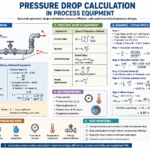
Fluid Mechanics and Mechanical Operations: Flow of fluids, pressure drop calculations, pumps, separators, mixing, filtration, and other unit operations.
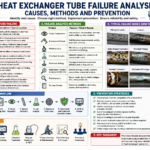
Heat Transfer: Conduction, convection, radiation, heat exchangers, and design considerations.
Mass Transfer: Distillation, absorption, extraction, drying, adsorption, and mass transfer coefficients.
Chemical Reaction Engineering: Reaction kinetics, batch and continuous reactor design, stoichiometry, and reactor modeling.
Instrumentation and Process Control: Control systems, sensors, feedback, PID controllers, and stability analysis.
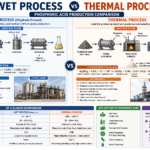
Chemical Technology and Plant Design: Basic understanding of chemical industries, unit operations, industrial processes, and safety considerations.
General Aptitude
General aptitude includes verbal ability and numerical reasoning. It is common to all GATE streams and contributes around 15% of the total score. Topics include:Verbal Ability: Synonyms, antonyms, sentence completion, and reading comprehension
Numerical Ability: Basic arithmetic, percentages, ratios, and problem-solving
Tip: Analyze previous years’ papers to identify high-weightage topics and trends. Thermodynamics, reaction engineering, fluid mechanics, and mass transfer are consistently important.
Building Strong Fundamentals
GATE is a concept-driven exam. Questions often test understanding and application rather than rote memorization. Therefore, aspirants must focus on building a strong foundation in core subjects. Key strategies include:
Understand Core Concepts: Before attempting numerical problems, ensure you understand fundamental principles. For example, in chemical reaction engineering, understanding reaction kinetics and rate laws is more important than memorizing formulas.
Relate Theory to Practical Applications: Connect unit operations, thermodynamics, and reaction engineering concepts to real-life chemical processes. This improves comprehension and aids in solving conceptual questions.
Practice Derivations: Derivations of key equations in thermodynamics, fluid mechanics, and mass transfer help in tackling analytical questions in the exam.
For instance, understanding how heat transfer occurs through conduction, convection, and radiation in heat exchangers allows students to solve complex problems involving multiple modes of heat transfer efficiently.
Recommended Books and Resources
Choosing the right reference materials is crucial for effective preparation. While there are numerous books available, it is best to focus on one or two standard texts per subject. Recommended books for GATE ChE include:
Engineering Mathematics:
Higher Engineering Mathematics by B.S. Grewal
Advanced Engineering Mathematics by Erwin Kreyszig
Fluid Mechanics & Mechanical Operations:
Unit Operations of Chemical Engineering by McCabe, Smith & Harriott
Introduction to Fluid Mechanics by Fox & McDonald
Heat Transfer:
Heat and Mass Transfer by J.P. Holman
Heat Transfer by Cengel & Ghajar
Mass Transfer:
Mass Transfer Operations by Treybal
Unit Operations of Chemical Engineering by McCabe
Chemical Reaction Engineering:
Elements of Chemical Reaction Engineering by H. Scott Fogler
Chemical Reaction Engineering by Octave Levenspiel
Process Control and Instrumentation:
Process Dynamics and Control by Seborg, Edgar & Mellichamp
Chemical Technology:
Chemical Engineering and Chemical Process Technology by H.K. Thirumaleshwar
Tip: Avoid overloading with multiple books, as this can lead to confusion. Focus on understanding the content and practicing problems.
Creating a Study Plan
A structured study plan is essential for covering the vast GATE syllabus systematically. Steps for creating a plan include:
Divide the Syllabus: Break down each subject into smaller topics and assign daily or weekly goals.
Allocate Time for Problem Solving: Numerical practice is critical, especially for subjects like mass transfer, reaction engineering, and process calculations.
Set Aside Time for Revision: Regularly revisit key formulas, unit operations, and frequently asked questions.
Focus on Weak Areas: Identify topics where you struggle and devote extra time to mastering them.
Sample Six-Month Plan:
Months 1–2: Core theory and concept clarity for all subjects
Months 3–4: Solve previous year GATE papers and focus on numerical problems
Month 5: Mock tests and full syllabus revision
Month 6: Intensive problem-solving, formula revision, and final preparation
Tip: Maintain flexibility in the plan to accommodate additional practice and unexpected difficulties.
Practice Previous Years’ Papers and Mock Tests
Solving past GATE papers is one of the most effective preparation techniques. Benefits include:
Understanding question patterns and difficulty levels
Identifying high-weightage topics
Improving speed and accuracy
Learning time management during the exam
Regular mock tests help simulate exam conditions, build confidence, and highlight weak areas for targeted improvement. Platforms such as GateForum, Made Easy, AceGATE, and NPTEL offer online tests and practice modules.
Tip: After solving papers, maintain a notebook of mistakes and tricky questions for future revision.
Focus on Engineering Mathematics
Mathematics plays a vital role in GATE ChE. Strong math skills allow students to solve numerical problems more efficiently. Key topics include:
Linear Algebra: Matrix operations, eigenvalues, and eigenvectors
Calculus: Differentiation, integration, partial derivatives
Differential Equations: First and second-order equations, applications
Probability & Statistics: Probability distributions, mean, variance
Numerical Methods: Interpolation, numerical integration
Laplace and Fourier Transforms: Applied to chemical process modeling
Regular practice ensures accuracy, reduces calculation time, and strengthens problem-solving ability.
Online Courses and Video Lectures
Online platforms provide structured guidance, especially for students who cannot attend coaching institutes. Benefits include:
Conceptual explanations through visual demonstrations
Step-by-step problem-solving
Regular quizzes and assignments
Access to mock tests with solutions
Some notable platforms include NPTEL, Unacademy, Made Easy, Coursera, and YouTube channels dedicated to GATE preparation.
Formula and Shortcut Notebook
Creating a concise notebook for formulas, constants, and shortcut methods is highly effective:
Record important equations and unit conversions
Include quick calculation techniques for numerical problems
Maintain a separate section for key reactions, equilibrium data, and thermodynamic relations
This notebook is invaluable for last-minute revision and helps in quick recall during exams.
Emphasis on Conceptual Understanding
GATE is not a memory-based exam; it tests application of knowledge. Examples:
In reaction engineering, designing a reactor based on given kinetics
In mass transfer, calculating stage efficiency and interfacial area
Students should focus on understanding the rationale behind formulas and knowing when and how to apply them.
Time Management
Effective time management is crucial both during preparation and the actual exam:
During preparation: Balance theory, problem-solving, and revision
During the exam:
Solve easy questions first
Avoid spending too much time on one question
Use approximation and elimination techniques for complex problems
Consistent practice of mock tests ensures better time management and improves overall performance.
Additional Resources
Previous year GATE papers (last 10–15 years)
Mock tests from GateForum, Made Easy, AceGATE, and Gradeup
Mobile apps for daily quizzes and flashcards
Online lecture notes and NPTEL PDFs for concise revision
Motivation and Consistency
GATE preparation is a long-term commitment requiring discipline and perseverance:
Set small milestones to track progress
Stay motivated by focusing on the benefits, such as higher education, PSUs, and scholarships
Participate in study groups or online forums for discussion and doubt clarification
Consistency is key: even a few hours of focused study every day is better than long, irregular study sessions.
Conclusion
Preparing for GATE Chemical Engineering demands a combination of conceptual clarity, consistent practice, and strategic planning. Start by understanding the syllabus thoroughly and building a strong foundation in core subjects. Use standard textbooks, online resources, and video lectures for guided learning. Solve previous years’ papers, take mock tests, and maintain a formula notebook for quick revision. Focus on engineering mathematics, conceptual understanding, and time management. Stay disciplined, motivated, and consistent in your preparation.
A well-planned preparation strategy, coupled with perseverance and regular practice, significantly enhances the chances of achieving a high GATE score. Success in GATE Chemical Engineering opens doors to postgraduate studies, prestigious PSU jobs, and research opportunities, providing a strong platform for a promising career. With the right approach, resources, and dedication, aspirants can maximize their potential and achieve their GATE goals.
This holistic preparation approach ensures that students are not only ready for GATE but also develop a deeper understanding of chemical engineering principles, which will benefit their academic and professional careers in the long run.