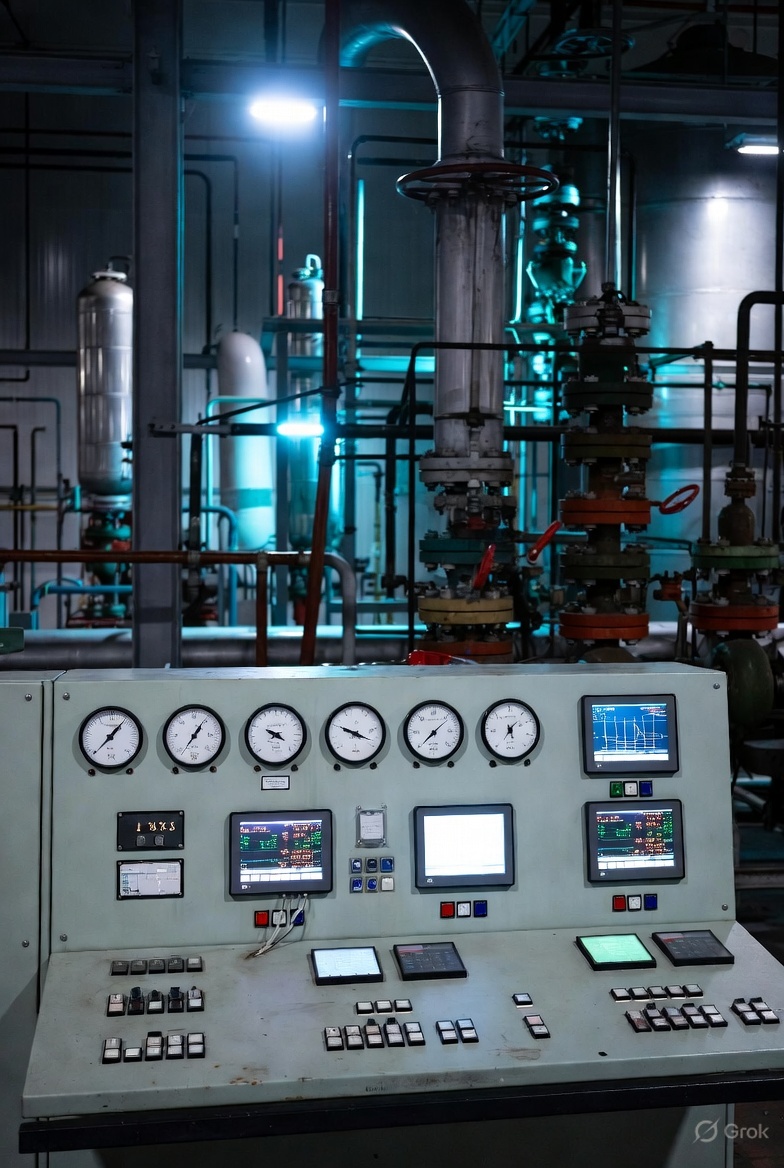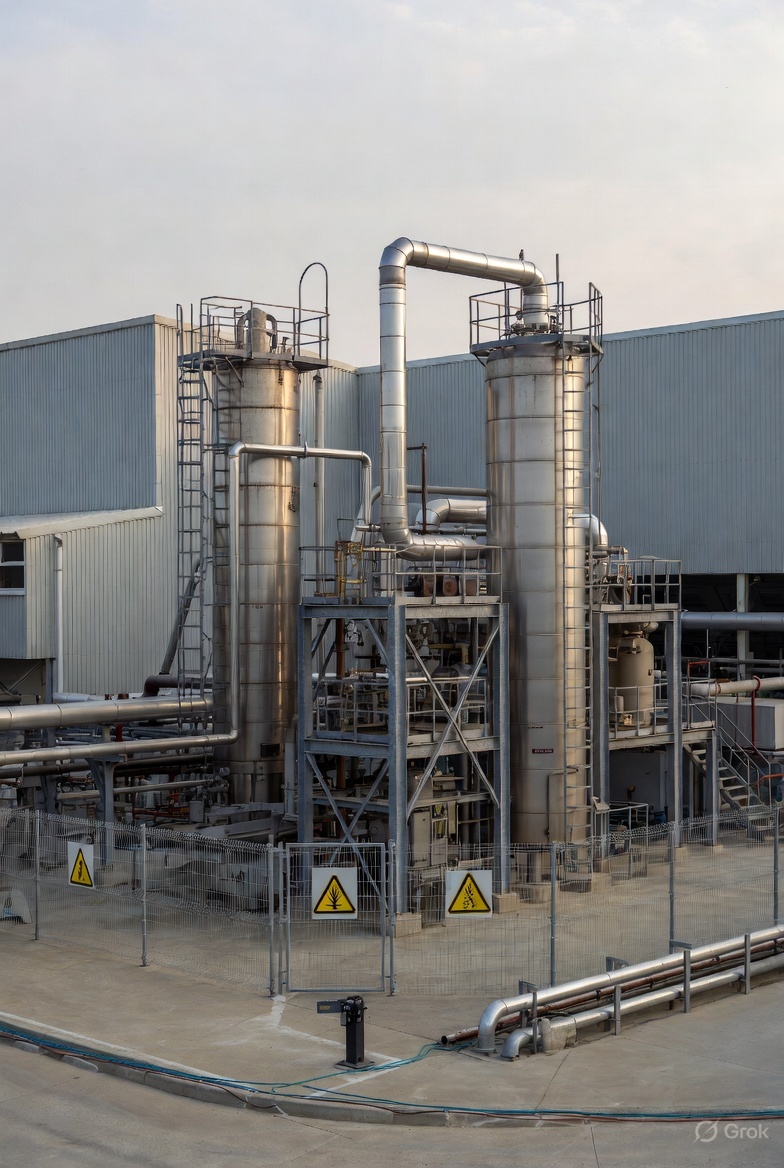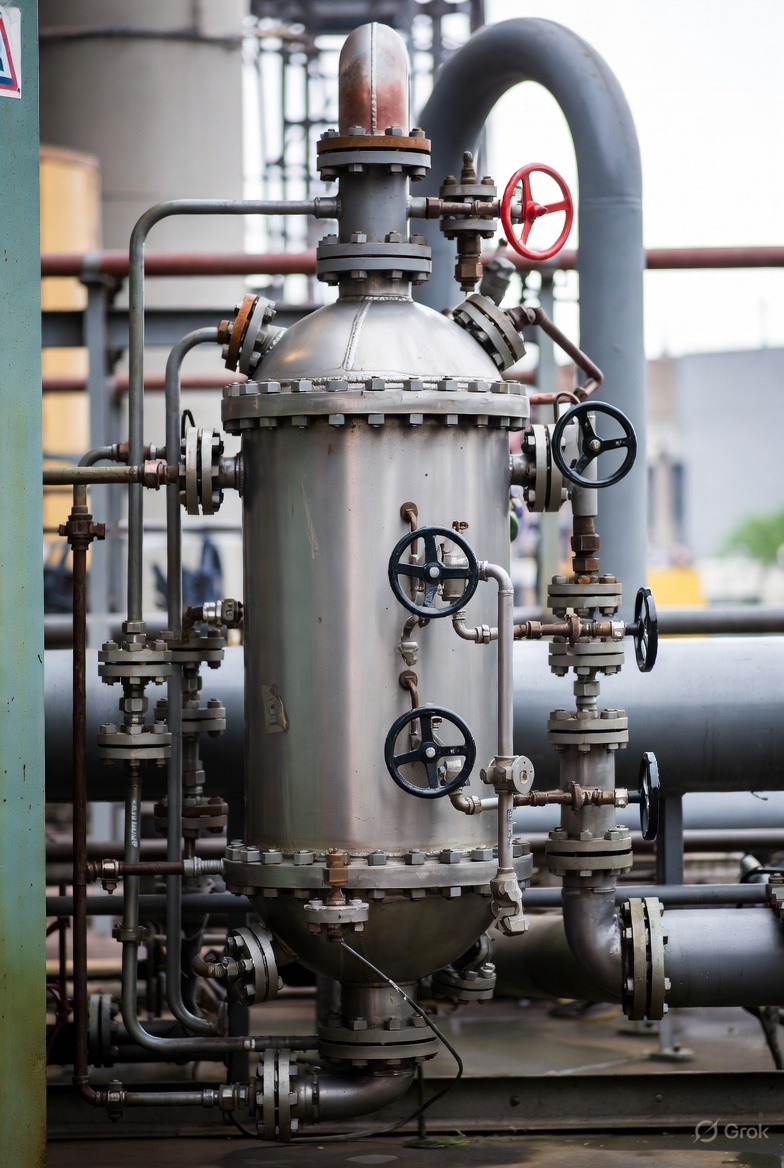
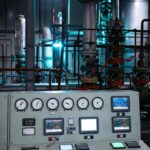
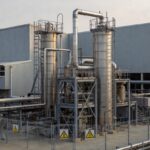
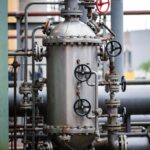


Acid plants are among the most chemically aggressive industrial environments in the world. Facilities producing sulfuric, hydrochloric, nitric, and phosphoric acids operate under conditions that relentlessly attack conventional construction materials. High acid concentrations, elevated temperatures, oxidizing atmospheres, acid vapors, and thermal cycling combine to create a perfect storm for corrosion. Without robust internal protection systems, process vessels, towers, storage tanks, ducts, and piping would rapidly deteriorate—leading to leaks, environmental hazards, unplanned shutdowns, and costly structural damage.
To prevent such failures, advanced lining systems serve as the first line of defense. These linings are not merely coatings; they are engineered protective barriers designed to withstand chemical attack, mechanical stress, temperature extremes, and permeation over long operational lifetimes. In modern acid plants, lining technology has evolved into a sophisticated discipline that blends materials science, mechanical engineering, and corrosion chemistry.
The Corrosive Reality of Acid Plants
Acid production processes expose equipment to highly concentrated and reactive chemicals. For example, sulfuric acid plants often operate with concentrations exceeding 98% under high temperatures. Nitric acid systems introduce powerful oxidizing environments. Hydrochloric acid units present chloride-rich conditions that accelerate pitting and stress corrosion cracking.
Several factors intensify corrosion risks:
Concentrated acids and acid vapors
High process temperatures
Oxidizing gases such as SO₃ or NOx
Thermal cycling during startup and shutdown
Mechanical vibration and pressure fluctuations
Abrasive particles in certain processes
Carbon steel, the standard structural material for many vessels, cannot withstand these conditions alone. Advanced linings act as chemical barriers, protecting structural shells while maintaining process integrity.
Major Lining Technologies in Acid Plants
Acid-Resistant Brick Linings
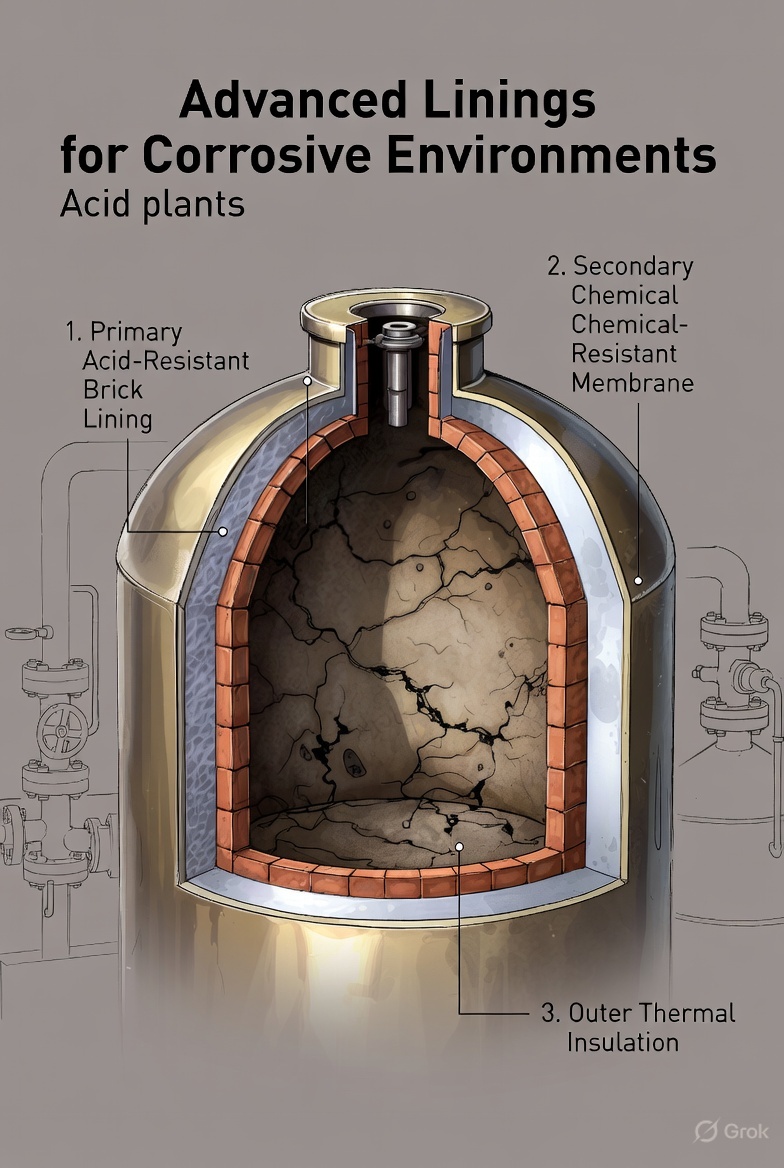
Brick linings remain one of the most trusted protection methods in sulfuric acid plants. Acid-resistant ceramic bricks, carbon bricks, and silicon carbide bricks are installed inside towers and tanks using chemical-resistant mortars. These systems are often backed by membranes and insulation layers.
Brick linings are commonly used in drying towers, absorption towers, and acid storage tanks. Their advantages include excellent chemical resistance, high temperature tolerance, and proven long service life. However, installation is labor-intensive, and failure can occur at mortar joints if not properly maintained.
Despite newer technologies, brick lining remains the gold standard for many sulfuric acid tower applications due to its durability under extreme conditions.
Rubber Linings
Rubber linings offer flexibility and chemical resistance, making them suitable for certain acid services. Materials such as natural rubber, hard rubber (ebonite), chlorobutyl, and EPDM are widely used in storage tanks, piping systems, and pump housings.
Rubber linings are cost-effective and can absorb mechanical stress due to their flexibility. However, they have temperature limitations and may degrade in strong oxidizing acids. Over time, aging and chemical attack can reduce performance, requiring periodic inspection and replacement.
Fluoropolymer Linings
Fluoropolymers such as PTFE, PFA, and FEP are among the most chemically inert materials available. Their exceptional resistance to acids, solvents, and oxidizers makes them ideal for highly aggressive environments.
These linings are commonly used in reactors, valves, piping systems, and heat exchangers. They offer broad temperature resistance and low surface friction, reducing fouling and buildup.
However, fluoropolymer systems are more expensive and may require mechanical support due to creep under load. Nevertheless, in critical applications where failure is unacceptable, fluoropolymer linings provide unmatched chemical resistance.
Fiber Reinforced Plastic (FRP) Linings
FRP systems combine fiberglass reinforcement with chemically resistant resins such as vinyl ester, epoxy vinyl ester, and isophthalic polyester. These composite materials are lightweight yet strong, offering excellent corrosion resistance when properly designed.
FRP is widely used in scrubbers, ducting systems, stack liners, and storage tanks. The material’s strength-to-weight ratio allows construction of large vessels with reduced structural mass.
However, resin compatibility must be carefully evaluated based on acid type and temperature. Proper curing and surface preparation are essential to ensure long-term performance.
Glass-Flake Coatings
Glass-flake linings incorporate microscopic glass flakes within a resin matrix. These flakes create a tortuous path that significantly reduces chemical permeation.
Such systems provide enhanced barrier properties, good abrasion resistance, and thinner application compared to brick linings. They are frequently used in tanks, secondary containment systems, and offshore corrosive environments.
Alloy Cladding and Metal Liners
In extremely severe conditions, corrosion-resistant alloys such as Hastelloy, Inconel, titanium, and tantalum are used as internal cladding materials. These metals offer superior resistance to corrosion and high-temperature stability.
Although highly effective, alloy claddings are expensive and require specialized welding techniques. They are typically reserved for critical heat exchangers and highly oxidizing nitric acid systems.
Engineering Considerations for Lining Selection
Choosing the correct lining is not simply a material decision—it is an engineering process requiring detailed evaluation.
Chemical Compatibility
Acid concentration, impurities, and byproducts influence corrosion behavior. For example, dilute sulfuric acid behaves differently than concentrated acid.
Temperature Resistance
Many materials that resist acid at ambient temperature degrade rapidly at elevated temperatures.
Thermal Expansion
Differential expansion between lining and substrate can cause cracking or delamination.
Mechanical Stress
Vibration, pressure fluctuations, and structural movement must be accommodated.
Permeation Resistance
Certain acids can diffuse through polymeric linings, leading to blistering and under-film corrosion.
Installation Quality
Surface preparation, curing conditions, and workmanship significantly affect long-term performance.
Common Failure Mechanisms
Even advanced linings can fail under improper conditions. Typical failure modes include:
Blistering due to acid permeation
Cracking from thermal shock
Delamination caused by poor adhesion
Chemical degradation of resin systems
Mortar joint failure in brick linings
Under-film corrosion leading to structural damage
Regular inspection and preventive maintenance are essential to detect early warning signs.
Inspection and Monitoring
Modern acid plants employ a range of inspection techniques to maintain lining integrity:
Spark testing to detect pinholes
Ultrasonic thickness measurement
Visual inspections during shutdowns
Infrared thermography
Acoustic emission monitoring
Predictive maintenance strategies are increasingly integrated with digital monitoring systems to anticipate degradation before catastrophic failure occurs.
Innovations in Corrosion Protection
Materials science continues to push lining technology forward.
Nanocomposite Coatings
Incorporating nano-scale fillers improves barrier performance and mechanical strength.
Hybrid Ceramic-Polymer Systems
These systems combine the chemical resistance of ceramics with the flexibility of polymers.
Smart Coatings
Emerging smart linings embed sensors capable of detecting moisture ingress or corrosion in real time.
Advanced Resin Formulations
New vinyl ester and epoxy systems offer enhanced chemical and thermal resistance compared to traditional materials.
These innovations aim to extend service life, reduce maintenance costs, and improve plant safety.
Economic and Safety Implications
The economic impact of lining failure can be devastating. Acid leaks may lead to environmental contamination, regulatory penalties, equipment damage, and extended production outages.
While lining systems represent a fraction of total plant investment, their failure can compromise entire operations. Therefore, selecting high-quality lining systems and ensuring proper installation is a strategic investment in plant reliability.
From a safety perspective, protecting workers from acid exposure and preventing structural failure are paramount concerns. Reliable linings directly contribute to safer working environments.
The Future of Acid Plant Linings
As acid plants pursue higher efficiency and stricter environmental compliance, corrosion protection must evolve accordingly. Future developments are expected to focus on:
Integration with digital twins for corrosion prediction
Real-time corrosion monitoring systems
Sustainable, long-life composite materials
Improved quality assurance standards
Enhanced installation technologies
Advanced linings are no longer passive barriers; they are active components of plant reliability strategy.
Conclusion
Acid plants operate under some of the harshest chemical conditions in industry. Without advanced lining technologies, structural materials would quickly succumb to corrosion. From traditional brick systems to modern fluoropolymers and composite materials, a diverse range of solutions exists to meet specific process demands.
Successful corrosion protection requires careful material selection, rigorous engineering design, skilled installation, and proactive maintenance. As technology advances, lining systems will become smarter, stronger, and more durable—ensuring that acid plants continue operating safely and efficiently despite the relentless corrosive forces within.
In the world of acid production, advanced linings are not optional—they are the fortress that safeguards the core of industrial performance.