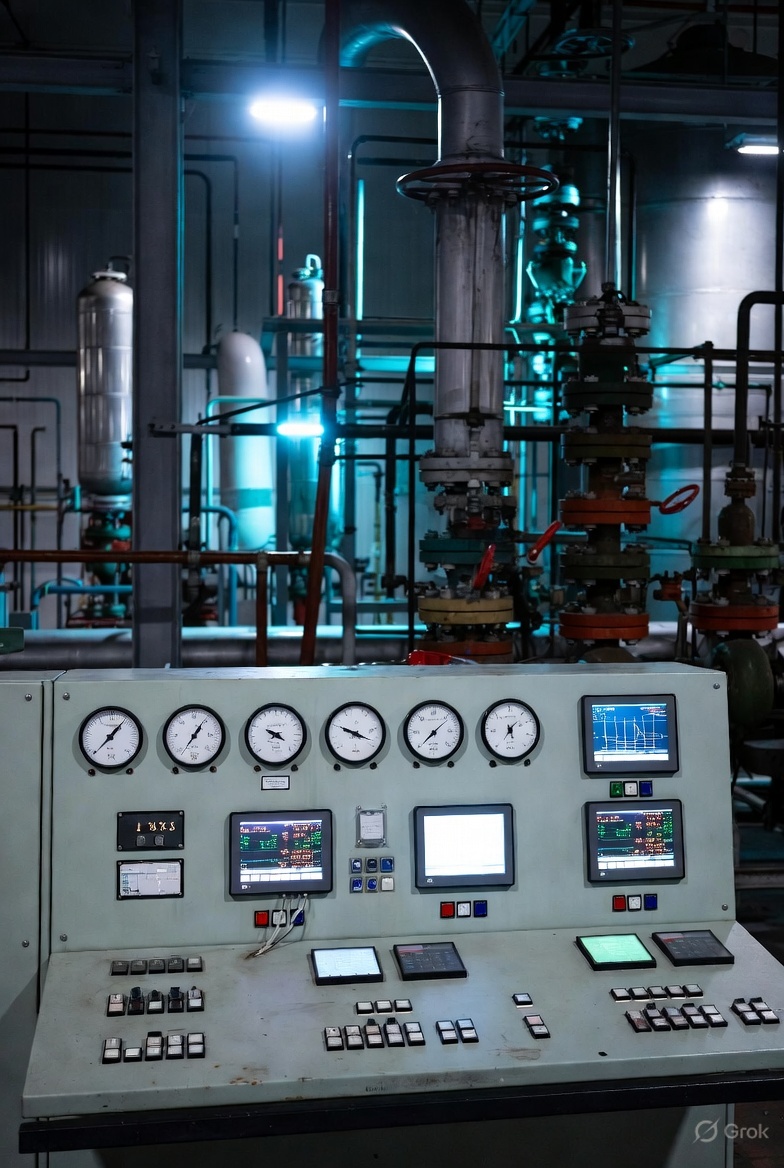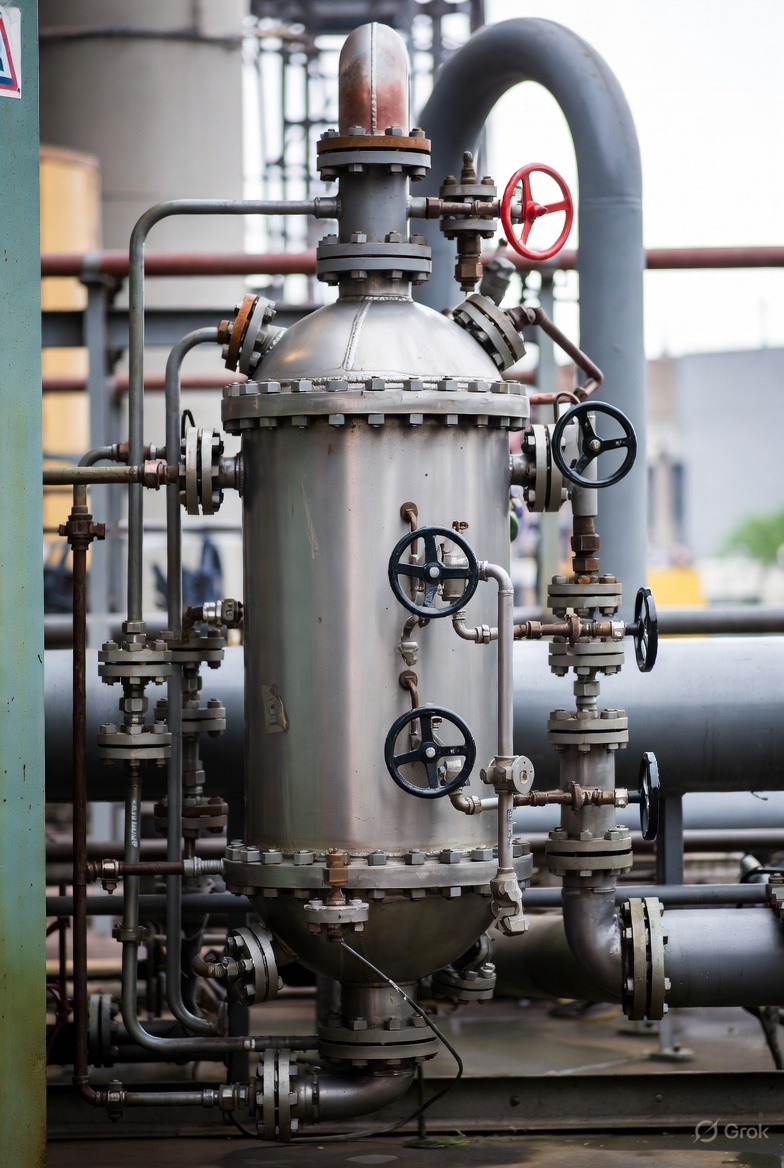







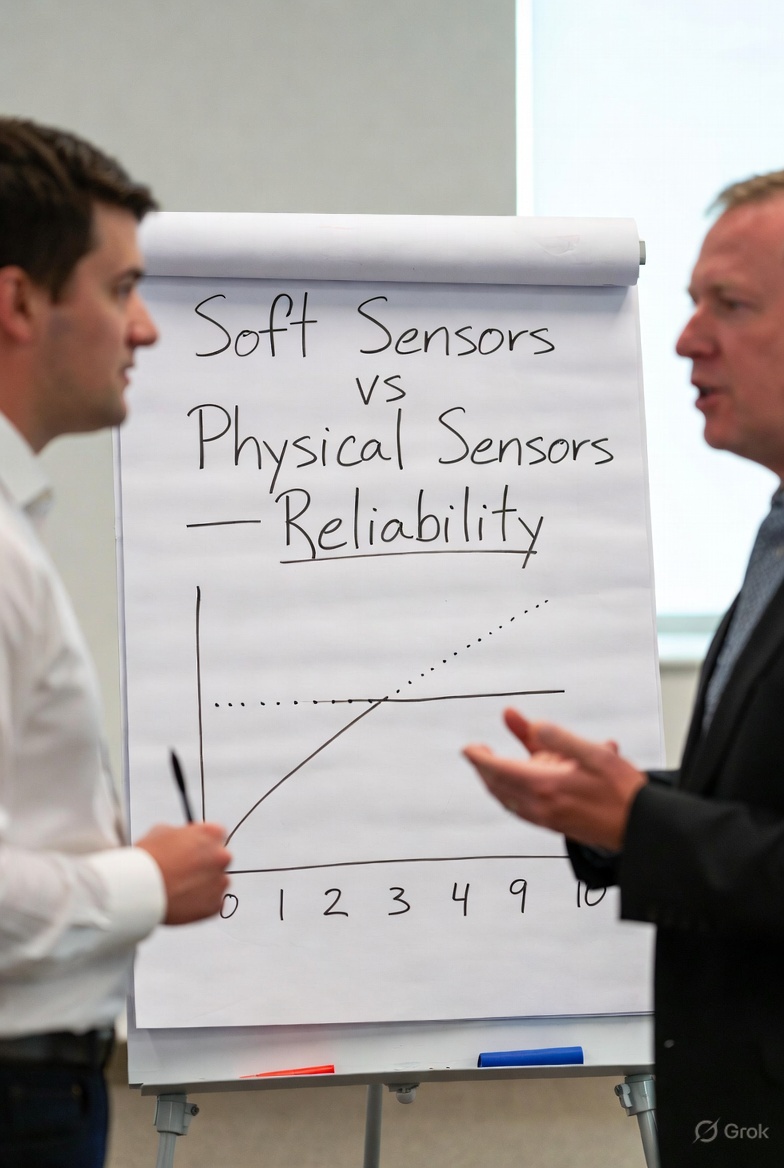
In the era of smart manufacturing, Industry 4.0, and AI-driven optimization, industrial measurement systems are undergoing a profound transformation. For decades, physical sensors—thermocouples, pressure transmitters, flow meters, and analyzers—have been the backbone of process monitoring and control. Today, however, soft sensors (also known as virtual sensors) are challenging that dominance by offering model-based or data-driven estimates of process variables that are difficult, expensive, or impossible to measure directly.
This evolution has sparked a critical question across chemical plants, refineries, pharmaceutical facilities, energy systems, and advanced manufacturing units:
Which is more reliable—soft sensors or physical sensors?
The debate is not merely technical. It touches safety, cost, regulatory compliance, maintenance philosophy, and the future architecture of intelligent plants. To understand the reliability question, we must first understand what each type of sensor represents and where their strengths and weaknesses lie.
Understanding Physical Sensors
Physical sensors are hardware devices that directly measure process variables using well-established physical principles. These include:
Temperature sensors (thermocouples, RTDs)
Pressure transmitters
Flow meters (Coriolis, ultrasonic, differential pressure)
Level sensors
pH and conductivity probes
Gas analyzers
These instruments are installed directly in pipelines, reactors, tanks, or exhaust streams. They convert physical phenomena—such as voltage differences, mechanical strain, capacitance changes, or acoustic signals—into measurable electrical outputs.
Physical sensors have long been trusted because they measure reality directly. Their behavior is well understood, they can be calibrated against traceable standards, and they fit neatly into regulatory frameworks. For safety-critical measurements such as reactor temperature or vessel pressure, physical sensors remain indispensable.
However, physical sensors are not perfect. They are subject to calibration drift, fouling, corrosion, vibration damage, electrical noise, and mechanical wear. Over time, these factors degrade accuracy and reliability unless proper maintenance procedures are followed.
Understanding Soft Sensors
Soft sensors, by contrast, are not hardware devices. They are mathematical models that estimate process variables using other available measurements. A soft sensor may combine:
Historical plant data
First-principles process models
Statistical regression techniques
Machine learning algorithms
Real-time signal processing
For example, instead of continuously measuring product composition with an expensive online analyzer, a soft sensor might estimate composition using temperature, pressure, flow rate, and reaction kinetics.
Soft sensors are particularly valuable for variables that are:
Difficult to measure continuously
Expensive to instrument
Measured only in laboratories with time delay
Physically inaccessible
In many modern plants, soft sensors enable real-time inferential measurements that would otherwise be unavailable.
Defining Reliability in Industrial Context
Before comparing both approaches, it is important to define what “reliability” means in industrial systems. Reliability includes:
Measurement accuracy
Consistency over time
Fault tolerance
Predictability under disturbances
Compliance with regulatory standards
Safety assurance
Reliability is not simply about precision—it is about sustained trustworthiness under real operating conditions.
Accuracy: Direct Measurement vs Model Estimation
Physical sensors measure variables directly, but they are vulnerable to hardware-related issues. Calibration drift, sensor fouling, and aging components can introduce systematic errors. Without regular recalibration, measurements may gradually deviate from true values.
Soft sensors, on the other hand, depend entirely on model quality and data integrity. When trained on high-quality data within stable operating regions, they can achieve impressive accuracy. In some cases, they even outperform physical analyzers that suffer from sampling delays.
However, soft sensors are vulnerable to model mismatch. If process conditions change beyond the training dataset, or if input sensors become faulty, estimation accuracy may degrade significantly. Data drift and equipment aging can further impact performance.
In stable and well-modeled conditions, soft sensors can be highly accurate. But in highly dynamic or unforeseen situations, physical sensors retain an inherent advantage because they measure real-world phenomena directly.
Fault Tolerance and Redundancy
When a physical sensor fails, measurement is lost unless redundant hardware is installed. Redundancy increases capital and maintenance costs.
Soft sensors introduce a new form of redundancy. Since they estimate variables using multiple inputs, they can continue functioning even if one input sensor fails. Additionally, discrepancies between soft sensor estimates and physical measurements can help detect sensor faults early.
For example, if a temperature transmitter begins drifting, the soft sensor’s estimate may diverge from the measured value, triggering a diagnostic alert. In this way, soft sensors enhance fault detection capabilities.
However, if several input measurements become corrupted simultaneously, the soft sensor’s performance may collapse. Therefore, redundancy in soft sensors depends on the robustness of the overall measurement network.
Maintenance Philosophy: Mechanical vs Digital
Physical sensors require hands-on maintenance. Technicians must calibrate instruments, clean probes, replace worn components, and inspect wiring. Over time, maintenance costs accumulate, particularly in harsh operating environments.
Soft sensors shift maintenance from mechanical to digital. Instead of calibration, engineers must monitor model performance, retrain algorithms, validate accuracy, and manage cybersecurity risks. This requires data science expertise and robust data governance frameworks.
While soft sensors eliminate some hardware costs, they introduce new requirements for computational infrastructure and model lifecycle management. Reliability in this context depends on disciplined monitoring and retraining strategies.
Safety and Regulatory Acceptance
Safety-critical industries such as pharmaceuticals, nuclear energy, and oil and gas operate under strict regulatory oversight. Physical sensors have long-established calibration standards and validation procedures. Regulators trust them because their performance can be independently verified.
Soft sensors, especially those based on machine learning, sometimes face skepticism due to limited interpretability and uncertainty quantification. Regulatory bodies often require soft sensors to be validated against physical measurements before approval for critical applications.
For emergency shutdown systems and critical interlocks, physical sensors remain mandatory in most industries. Soft sensors are typically used as supplementary tools rather than primary safety devices.
Adaptability to Changing Conditions
Physical sensors measure reality directly and generally do not require retraining when operating conditions change—unless physical damage occurs.
Soft sensors, however, must adapt to new operating regions. Equipment degradation, feedstock changes, and process redesign can alter system behavior. Without retraining, model accuracy declines.
Advanced approaches such as adaptive learning and online model updating can address this challenge, but they introduce additional complexity. Continuous validation becomes essential to maintain reliability.
Where Soft Sensors Excel
Soft sensors are particularly powerful in inferential measurement scenarios. Variables such as product composition, reaction conversion, catalyst activity, and biomass concentration are often expensive or slow to measure directly. Soft sensors provide near real-time estimates, enabling advanced control and optimization strategies.
They also reduce capital expenditure by replacing costly analyzers. In large plants with numerous measurement points, the cost savings can be significant.
Moreover, soft sensors support advanced technologies such as digital twins, model predictive control, and reinforcement learning by supplying continuous estimated states.
Where Physical Sensors Remain Essential
Despite technological advances, physical sensors are irreplaceable in safety-critical applications. Temperature and pressure measurements in reactors, vessels, and pipelines must be directly measured to prevent catastrophic failures.
Physical instrumentation also remains essential for regulatory reporting, environmental compliance monitoring, and emergency shutdown systems.
In these contexts, hardware-based measurement provides a level of trust and legal defensibility that purely virtual estimation cannot yet match.
The Hybrid Future: Collaboration Over Competition
The reliability debate ultimately reveals that the most effective strategy is not choosing one over the other, but integrating both.
Modern plants increasingly use hybrid architectures:
Physical sensors provide primary measurement and safety assurance.
Soft sensors offer inferential insights and optimization capabilities.
Soft sensors act as redundancy for fault detection.
Physical sensors validate and anchor model predictions.
This synergy enhances overall reliability. Physical sensors ground the system in measurable reality, while soft sensors extend visibility beyond hardware limitations.
Looking Ahead
As Industry 4.0 matures, soft sensor reliability continues to improve through advances in physics-informed machine learning, uncertainty quantification, and explainable AI. At the same time, smart physical sensors now include self-diagnostics, digital communication protocols, and built-in calibration features.
The future industrial plant will not rely solely on hardware or software. Instead, it will leverage intelligent fusion—combining physical instrumentation with data-driven estimation to achieve higher efficiency, safety, and adaptability.
Final Reflection
The reliability debate between soft sensors and physical sensors is not a zero-sum competition. Each has unique strengths. Physical sensors offer direct measurement and regulatory trust. Soft sensors provide flexibility, cost efficiency, and expanded visibility.
True reliability in modern process industries emerges from intelligent integration. By combining tangible hardware measurement with adaptive digital estimation, industrial systems can achieve unprecedented levels of performance, resilience, and operational insight.
In the end, reliability is no longer defined by a single device—but by the ecosystem that connects physical reality with intelligent computation.