





Introduction
Plastics have revolutionized modern life due to their versatility, durability, and low cost. From packaging to automotive components, plastics are ubiquitous. However, their widespread use has led to mounting environmental challenges. Traditional mechanical recycling is limited by degradation of material properties and contamination, leaving much plastic waste to accumulate in landfills or oceans. To address this, researchers and industries are turning toward chemical recycling and circular polymers, promising to close the loop on plastic waste and create truly sustainable materials.
Chemical recycling refers to processes that break polymers down into monomers or other basic chemical feedstocks, which can then be repurposed to synthesize new plastics or other chemicals. When combined with circular polymer design, which emphasizes recyclability and longevity, chemical recycling enables a circular economy for plastics, reducing environmental impact and reliance on fossil resources.
Understanding Chemical Recycling
Chemical recycling is a broad term encompassing several technologies designed to recover value from plastic waste beyond mechanical reprocessing. Key approaches include:
Depolymerization: Breaking polymers into their monomers. For example, PET bottles can be depolymerized into terephthalic acid and ethylene glycol, which can then be used to make new PET.
Pyrolysis: Thermally decomposing mixed plastic waste into smaller hydrocarbons, which can be upgraded into fuels, lubricants, or feedstocks for new polymer synthesis.
Solvolysis: Using solvents or reagents to selectively dissolve and depolymerize plastics, often under mild conditions, minimizing energy consumption.
Catalytic Conversion: Employing catalysts to transform plastics into monomers, oligomers, or chemical feedstocks with high selectivity.
Unlike mechanical recycling, which can degrade polymer properties over multiple cycles, chemical recycling produces high-purity monomers that can be reused indefinitely, supporting a true circular material lifecycle.
Circular Polymers: Designing for the Future
The concept of circular polymers extends beyond recycling. It involves designing polymers from the outset to be recyclable, repairable, or biodegradable. Principles of circular polymer design include:
Monomer selection: Using monomers that can be efficiently depolymerized or chemically transformed.
Polymer architecture: Engineering linear, easily depolymerizable structures rather than crosslinked networks that resist recycling.
Functionalization: Incorporating chemical handles that enable selective depolymerization, self-healing, or chemical modification.
Compatibility with existing infrastructure: Ensuring that circular polymers can be integrated into current manufacturing and recycling systems.
By aligning polymer chemistry with circular economy principles, these materials reduce environmental footprints while maintaining performance.
Advantages of Chemical Recycling and Circular Polymers
Reduced Environmental Impact: Diverts plastics from landfills and oceans, lowers greenhouse gas emissions compared to virgin polymer production, and reduces reliance on fossil feedstocks.
Material Quality Preservation: Produces monomers of virgin-like purity, enabling repeated recycling without material degradation.
Economic Potential: Recovered monomers can reduce raw material costs, especially as oil prices fluctuate.
Innovation Opportunities: Encourages the development of new polymer chemistries with enhanced properties and recyclability.
Current Challenges
Despite the promise, several challenges remain:
Economic Viability: Chemical recycling can be energy-intensive and costly compared to virgin polymer production, especially for small-scale operations.
Feedstock Heterogeneity: Mixed plastic waste streams require sophisticated sorting and pretreatment.
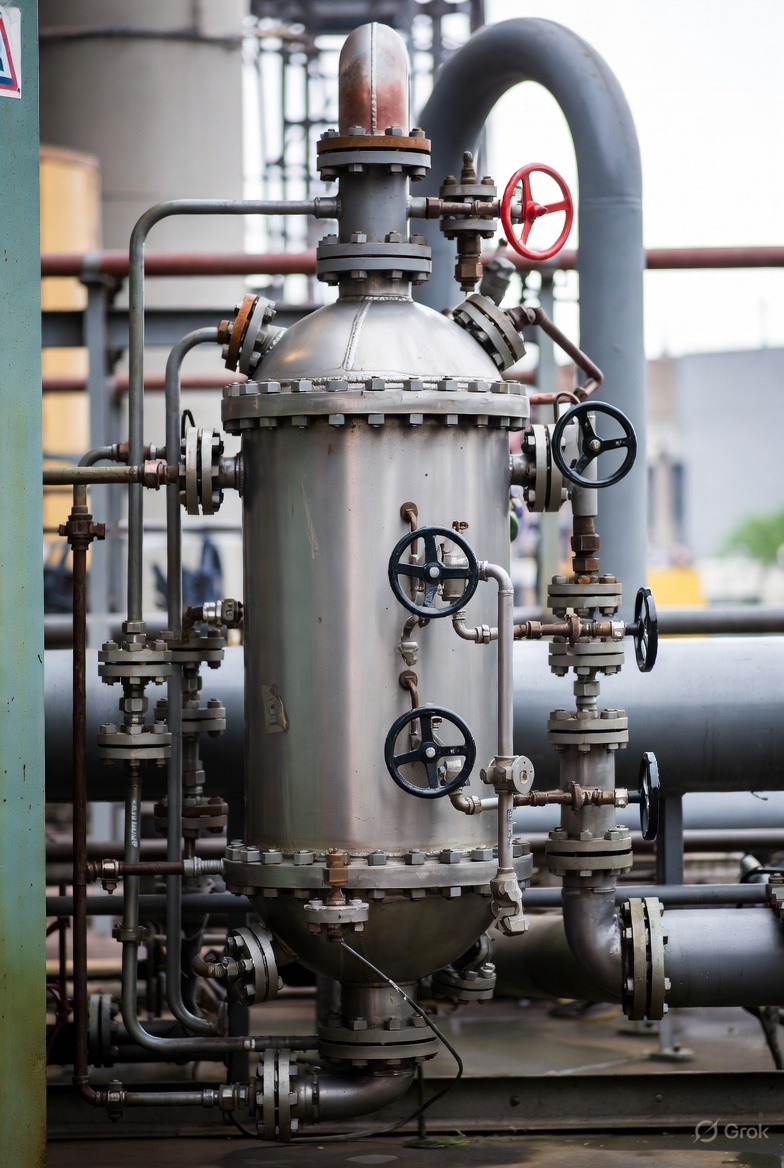
Process Optimization: Catalysts, solvents, and reaction conditions must be carefully tuned to maximize yield and selectivity.
Regulatory and Market Adoption: Establishing standards for recycled polymers and market acceptance of circular plastics is still ongoing.
Emerging Technologies and Innovations
Recent advances in chemical recycling and circular polymers are accelerating adoption:
Enzymatic Depolymerization: Nature-inspired enzymes are being engineered to depolymerize PET and other polymers under mild conditions, reducing energy consumption.
Dynamic Covalent Polymers: Polymers with reversible bonds enable self-healing and recyclability, integrating functionality with sustainability.
Catalyst Development: Novel catalysts improve selectivity and efficiency in depolymerization or pyrolysis processes.
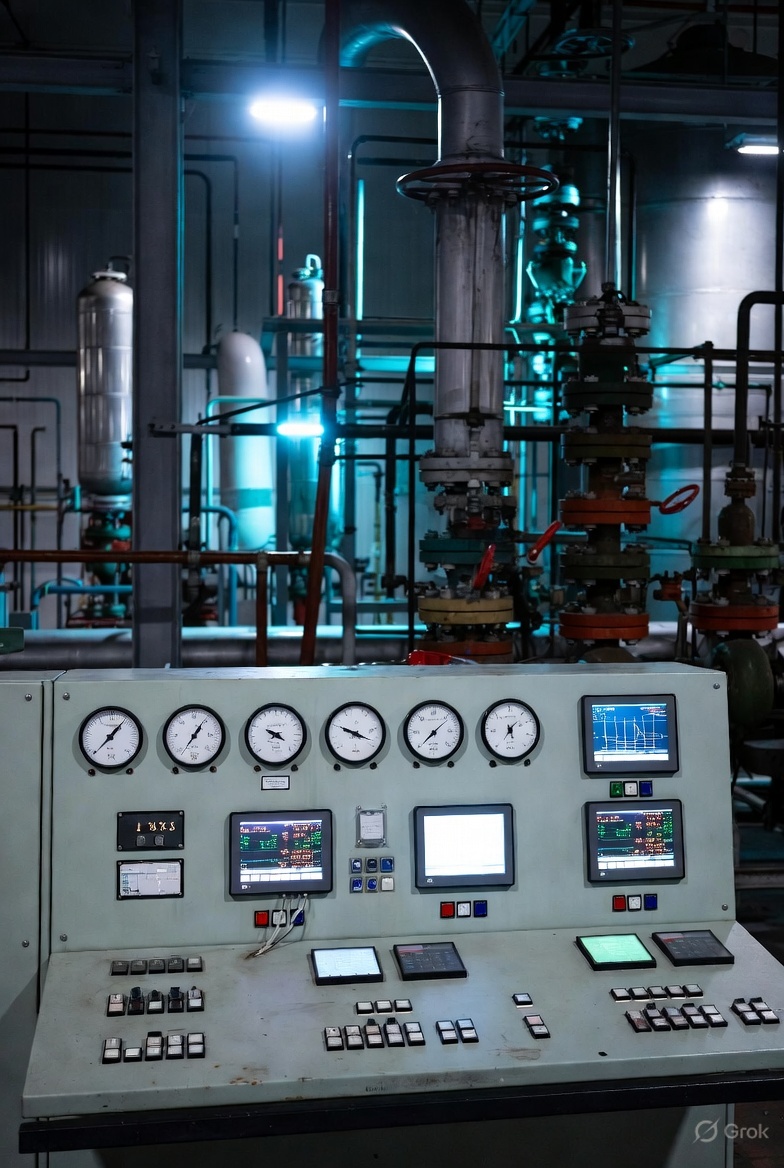
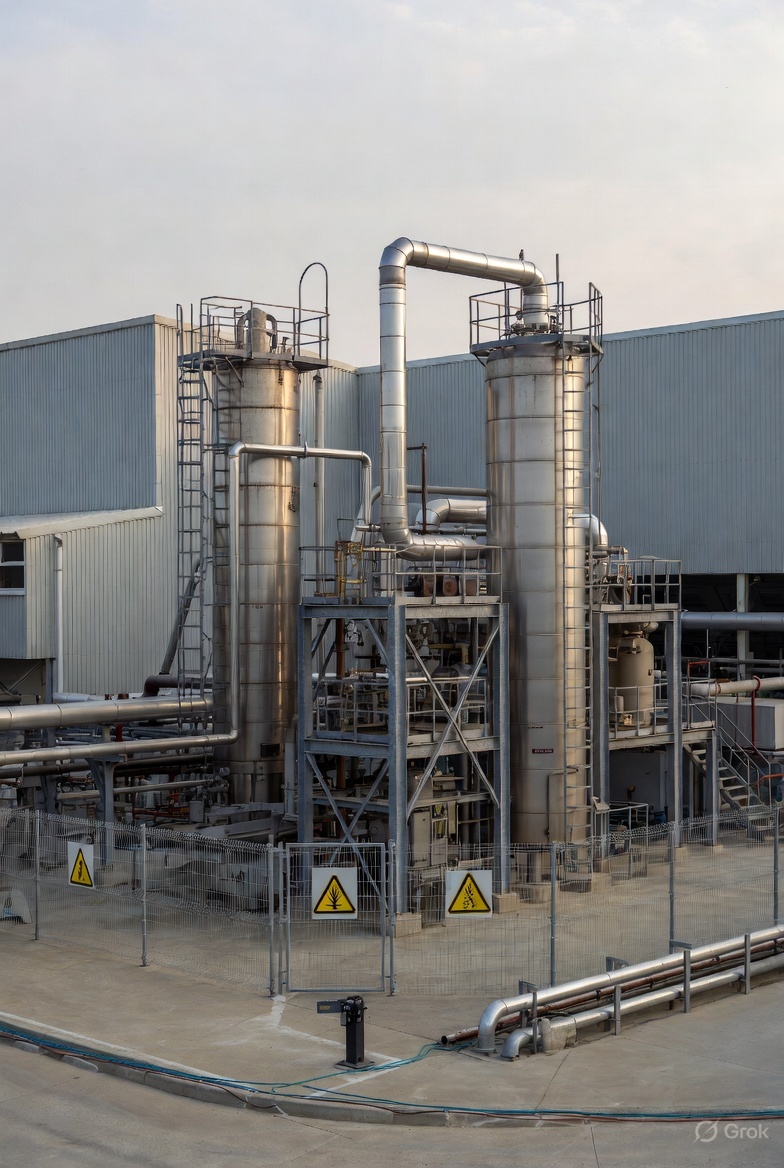
Integrated Circular Systems: Combining chemical recycling facilities with polymer production plants closes the loop and creates local circular economies.
Case Studies
PET Recycling: Companies are successfully depolymerizing PET bottles into monomers for high-quality recycled PET fibers in textiles and packaging.
Polylactic Acid (PLA) Recycling: Biodegradable PLA can be chemically converted back to lactic acid monomers, enabling new bioplastic production.
Polyolefin Pyrolysis: Innovations in catalytic pyrolysis allow conversion of mixed polyolefins into valuable chemical feedstocks, even from contaminated waste streams.
The Road Ahead
Scaling chemical recycling and circular polymers requires collaboration across industries, governments, and academia. Key priorities include:
Infrastructure Investment: Establishing facilities capable of processing diverse plastic streams.
Standardization: Creating benchmarks for polymer recyclability and chemical recovery.
Policy Incentives: Encouraging adoption through regulations, extended producer responsibility, and economic incentives.
Public Awareness: Educating consumers on the benefits and importance of circular plastics.
By integrating chemical recycling and circular polymer design into global strategies, society can move toward a plastics economy that is regenerative by design.
Conclusion
Chemical recycling and circular polymers represent a paradigm shift in the way plastics are produced, used, and reprocessed. By focusing on molecular-level recyclability and circular design principles, these innovations enable high-quality polymer recovery, reduce environmental impact, and promote sustainable material use. While challenges remain in scaling technologies and establishing market frameworks, the combination of advanced chemistry, engineering, and policy support has the potential to redefine plastics for a truly sustainable future.